Restorative Dentistry
Dental crowns in Bloomingdale, IL
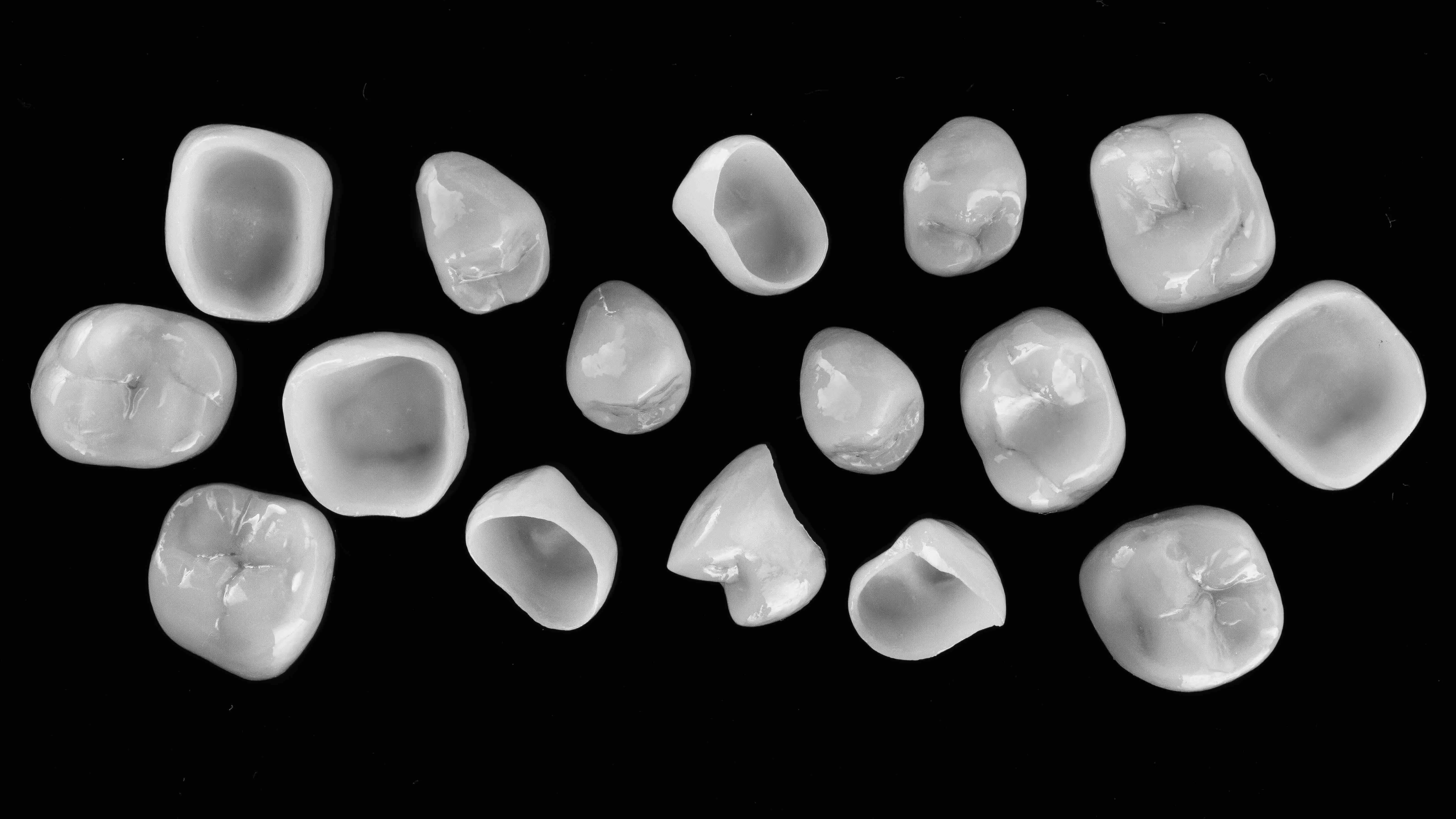
Dental crowns protect teeth that are cracked, heavily decayed, root-canal-treated, or structurally weakened. Dr. Husna Khan and the Serenity Dental team provide zirconia, porcelain, and gold crowns with digital impressions, written estimates before treatment, and careful attention to bite and fit.
The goal is restoration that lasts: protect the remaining tooth, restore chewing function, and produce a crown that looks and feels natural. Most crowns are completed over 2 visits (2-3 weeks apart) and cost varies depending on material, with insurance typically covering 50 percent.
How long do crowns last?
Modern crowns typically last 10 to 15 years. Zirconia and gold crowns often last 20+ years with good hygiene and no bruxism. Regular exams catch problems early.
Does it hurt?
The tooth is numbed before any preparation. You feel pressure and vibration, not pain. Mild cold sensitivity for 1 to 2 weeks afterward is normal as the tooth adjusts.
Same-day crown or two visits?
Traditional crowns take 2 visits over 2 to 3 weeks. CEREC same-day crowns can be completed in one visit. Dr. Husna Khan discusses which approach is right for your case.
What a dental crown is
A dental crown is a custom-made cap that covers the entire visible portion of a tooth. Crowns are cemented or bonded in place and function like the natural tooth -- chewing, biting, and looking natural. Crowns are used when a tooth is too damaged, decayed, or structurally weakened to be repaired with a filling alone.
Modern crowns are made from zirconia, porcelain, porcelain-fused-to-metal, or gold alloy. Digital impressions have largely replaced older rubbery impression materials, making the process faster and more comfortable. At Serenity Dental, most crowns use digital scanning and are fabricated by an on-site or trusted partner dental lab.
Crown materials at a glance
The right material depends on tooth location, bite forces, esthetic priorities, and insurance coverage. Here is how the main options compare:
| Material | Appearance | Lifespan | Typical cost | Best for |
|---|---|---|---|---|
| Zirconia | Tooth-colored | 15-25 years | $1,000-$2,500 | Most back teeth, high bite forces |
| Lithium disilicate (e.max) | Excellent | 10-20 years | $1,000-$2,500 | Front teeth, premolars |
| Porcelain-fused-to-metal (PFM) | Good | 10-15 years | $800-$2,000 | Budget option, posterior teeth |
| Gold alloy | Gold color | 20-30+ years | $1,200-$2,500 | Back teeth, durability priority |
| Stainless steel | Silver | Pediatric use | $800-$2,500 | Baby teeth, temporary adult |
Cost figures on this page are typical Chicago-area ranges, not quotes. Fees depend on exam findings, materials, and insurance benefits; we provide a written, itemized estimate before treatment.
Zirconia is the most common adult crown material at Serenity Dental today -- it offers excellent durability, natural appearance, and conservative tooth preparation. Lithium disilicate is preferred for highly visible front teeth where esthetics are paramount. Gold remains an option for patients prioritizing maximum longevity.
Dental crown cost
Crown pricing depends primarily on material choice. Additional costs may apply if a buildup, post and core, or crown lengthening is needed before the crown itself.
Crown cost breakdown
- Zirconia crown: $1,000-$2,500 cash; $500-$1,250 with 50% PPO
- Lithium disilicate: $1,000-$2,000 cash; $500-$1,000 with 50% PPO
- PFM crown: $800-$1,500 cash; $400-$750 with 50% PPO
- Gold crown: $1,200-$2,500+ (moves with the gold market)
- Same-day CEREC: Similar to lab-made, saves a visit
Possible additional costs
- Buildup (D2950): $200-$400 if significant tooth missing
- Post and core: $250-$500 for root-canaled teeth
- Crown lengthening: $600-$1,500 if gum surgery needed
- Temporary crown: Usually included in crown fee
- Digital impression: Usually included in crown fee
PPO insurance typically covers crowns at 50 percent as a major restorative service, subject to annual maximum ($1,000-$2,000 per year). Pre-authorization is often required. Serenity Dental verifies benefits, submits pre-estimates when helpful, and provides written cost estimates before any work begins.
When a crown is needed
Common reasons for a crown
- Cracked tooth with visible fracture line
- Very large cavity or failing filling covering most of the tooth
- After a root canal (especially on back teeth)
- Broken or chipped tooth missing a cusp
- Severely worn tooth from bruxism or acid erosion
- Cosmetic reconstruction of discolored or malformed tooth
When a filling is enough instead
- Small to medium cavity with intact cusps
- At least 60-70 percent of tooth structure remaining
- No cracks extending into the tooth
- No prior root canal treatment
- Normal bite forces on the tooth
The decision between filling, inlay/onlay, and crown depends primarily on how much healthy tooth remains after decay or damage is removed. Dr. Husna Khan evaluates each tooth individually and discusses the options with expected longevity and cost before treatment is scheduled.
The crown procedure step-by-step
Visit 1 -- Step 1
Numbing (5-10 min)
Topical gel, then local anesthesia. Full numbness in 5-7 minutes before preparation starts.
Visit 1 -- Step 2
Preparation (45-60 min)
Tooth is shaped to receive the crown. Decay removed, buildup placed if needed.
Visit 1 -- Step 3
Digital impression (10-15 min)
3D scanner captures tooth shape. Shade is matched. Temporary crown placed.
Visit 2 (2-3 weeks later)
Final cementation (30-45 min)
Temporary removed, permanent crown tried in, bite checked, then cemented.
Same-day CEREC crowns condense the entire process into a single 90-120 minute visit. The crown is designed on computer and milled in-office. Same-day crowns are ideal for single-tooth cases where the patient prefers to avoid a second appointment.
Aftercare and what feels normal
Crown aftercare is straightforward but has some specific considerations during the temporary phase and immediately after final cementation.
During the temporary phase (2-3 weeks)
- Avoid sticky foods (gum, caramel, taffy)
- Avoid very hard foods (ice, hard candy, nuts)
- Floss carefully -- pull floss out to the side, not up
- Temporary sensitivity to cold is normal
- Call if the temporary falls off or feels very high
After the final crown (first 2 weeks)
- Eat normally once numbness wears off (2-4 hours)
- Mild cold and pressure sensitivity for 1-2 weeks
- Brush and floss normally
- Watch for bite feeling high -- easy 5-min adjustment
- Call for sharp pain or pain that wakes you at night
Crown vs filling: how the decision is made
The most common question patients ask is whether a crown is really necessary or if a filling would suffice. The answer depends on how much healthy tooth structure remains.
A filling works when
- Small to medium cavity (less than 1/3 of tooth)
- Most of the tooth walls are intact
- No cracks visible beyond the cavity
- No prior root canal
- Normal bite forces on the tooth
A crown is recommended when
- More than half the tooth is missing or decayed
- Tooth has cracks extending into the structure
- Tooth has had a root canal
- Very large existing filling has failed
- Cusp (tooth point) has broken off
An inlay or onlay is a third option between a filling and a crown -- a lab-made porcelain restoration that covers more of the tooth than a filling but less than a crown. Dr. Husna Khan discusses all applicable options with expected longevity and cost before treatment is scheduled.
Crown after a root canal
Teeth that have had root canal treatment are more brittle than healthy teeth because they no longer receive blood or nerve supply. On back teeth (molars and premolars), a crown is strongly recommended after a root canal to protect the tooth from fracturing under chewing pressure. Fracture rates for root-canaled molars without crowns are significantly higher than those with crowns per American Association of Endodontists outcome data.
Front teeth with root canals may not always need crowns if the tooth structure is intact and bite forces are light. For more on root canal treatment, see the root canal service page.
When a crown needs replacement
Crowns do not last forever. Clinical signs that a crown needs replacement include visible recurrent decay at the margin, fracture of the crown, a crown that is loose or has fallen off, marginal leakage causing sensitivity, or a tooth developing a new issue underneath. Age alone is not a reason to replace a functional crown.
Crowns are assessed visually and with bitewing X-rays at routine exams. Dr. Husna Khan recommends replacement only when clinical signs of failure are present, never based on age alone.
Insurance and payment options
Most dental PPO plans cover crowns at 50 percent as a major restorative service after deductible. Annual maximums typically apply ($1,000-$2,000 per year). Pre-authorization is often required. Some plans have waiting periods (6-12 months) for major services on new enrollments.
Serenity Dental verifies benefits before treatment, submits pre-estimates when helpful, and offers financing options for crowns when needed. Cost transparency before treatment is standard practice here.
Quick facts
| Treatment time | 60 to 90 minutes for prep; placed 1 to 3 weeks later |
|---|---|
| Anesthesia | Local anesthesia for prep; placement is painless |
| Materials | Zirconia, lithium disilicate, porcelain-fused-to-metal, or gold |
| Lifespan | 10 to 20 years; 10-year survival 90%+ |
| Typical cost | $800-$2,500 per crown |
| Visits | 2 visits typical (prep + cement); same-day available with CEREC |
Clinical references
We rely on guidance from established clinical organizations. The references below inform how we explain options, expected outcomes, and aftercare on this page.
- American Dental Association describes dental crowns as restorations indicated for teeth weakened by decay, fracture, large fillings, or following root canal therapy.
- Journal of Prosthetic Dentistry long-term studies report 10-year survival rates of 90% or higher for porcelain-fused-to-metal and all-ceramic crowns.
- American Academy of Cosmetic Dentistry publishes guidance on crown shade selection, contour, and integration with adjacent natural teeth.
- American College of Prosthodontists guidance on indirect restorations supports crown placement when intact tooth structure is insufficient for a direct filling or after endodontic treatment.
For patient education only. Treatment recommendations depend on individual diagnosis. Reviewed by Dr. Husna Khan, DDS.
Dental crown FAQs
How much does a dental crown cost?
How long do dental crowns last?
Does getting a crown hurt?
What is the difference between a crown and a filling?
What are dental crowns made of?
How long does it take to get a crown?
Do I need a crown after a root canal?
Can a crown fall off?
Does dental insurance cover crowns?
What is a chipped tooth crown?
How much is a crown without insurance?
Are dental crowns permanent? Do they need to be replaced?
What are the disadvantages of dental crowns?
Educational content only. Recommendations are personalized after an exam and any needed imaging.
Learn more about dental crowns
In-depth guides on specific crown topics, written by Dr. Husna Khan and reviewed against American Dental Association clinical recommendations.
Basics
What is a dental crown?
Foundational guide: what a crown is, when it is needed, how the procedure works, and what it costs.
Cost
Dental crown cost: what you pay in 2026
Cash prices, insurance coverage, and how to phase multi-crown cases across benefit years.
Between visits
Temporary crown care guide
What to eat, how to clean, and what to do if your temporary crown comes loose or falls off.
Decisions
Veneers vs crowns
Front-tooth coverage tradeoffs: veneer covers the front, crown covers the entire tooth.
Root Canal
Root Canal Cost in 2026: What You Actually Pay
Real root canal costs by tooth type -- front, premolar, molar. What insurance covers, the crown cost after, financing, and the $99 root canal trap explained.
Root Canal
Root Canal Recovery Time: Day-by-Day What to Expect
Root canal recovery timeline -- when pain resolves, what to eat, when to return to work, chewing restrictions, and the crown appointment timing.
Root Canal
Pain After a Root Canal: Normal vs Concerning
Post-root-canal pain timeline -- what is normal, how long soreness should last, when pain after 7 days signals a problem, and when to call your dentist.
Root Canal
Root Canal Procedure: Step by Step What Actually Happens
The root canal procedure explained step-by-step -- tooth anatomy, anesthesia, cleaning and shaping, obturation, temporary filling, and the final crown.
Ready to discuss a crown?
Whether you have a cracked tooth, a failing old crown, a tooth that just had a root canal, or you are weighing crown vs filling options, Serenity Dental provides honest recommendations with written cost estimates before treatment. Call (630) 359-0105 to schedule an evaluation.
Visit us
Dental Crowns at our Bloomingdale, IL office
Serenity Dental of Bloomingdale is at 1 Tiffany Pt, Suite 205, Bloomingdale, IL 60108. Patients come to us for dental crowns from Bloomingdale and from Glendale Heights, Roselle, Carol Stream, Itasca, Medinah, Addison, and Bartlett. Our team speaks 7 languages, including Spanish, Polish, Hindi, Urdu, and Arabic.
Hours
- Mon9:00 AM – 5:00 PM
- Tue10:00 AM – 6:30 PM
- Wed9:00 AM – 5:00 PM
- Thu9:00 AM – 5:00 PM
- Fri9:00 AM – 5:00 PM
- Sat9:00 AM – 3:00 PM
- SunClosed
Saturday hours and Tuesday evenings available.
Book dental crowns
Online booking works for consultations and routine visits. For pain, swelling, or a broken tooth, call so we can fit you in sooner.