Digital Dentistry in Bloomingdale
Dental technology that makes visits clearer, more comfortable, and more precise
We use digital dentistry to make care easier to understand and easier to plan. That includes low-dose digital X-rays, CBCT 3D imaging when needed, digital scans for crowns and night guards, and in-office Philips Zoom whitening.
Last updated: March 2026 · For patient education · Technology is used when clinically appropriate for your diagnosis and treatment plan.
Comfort-focused
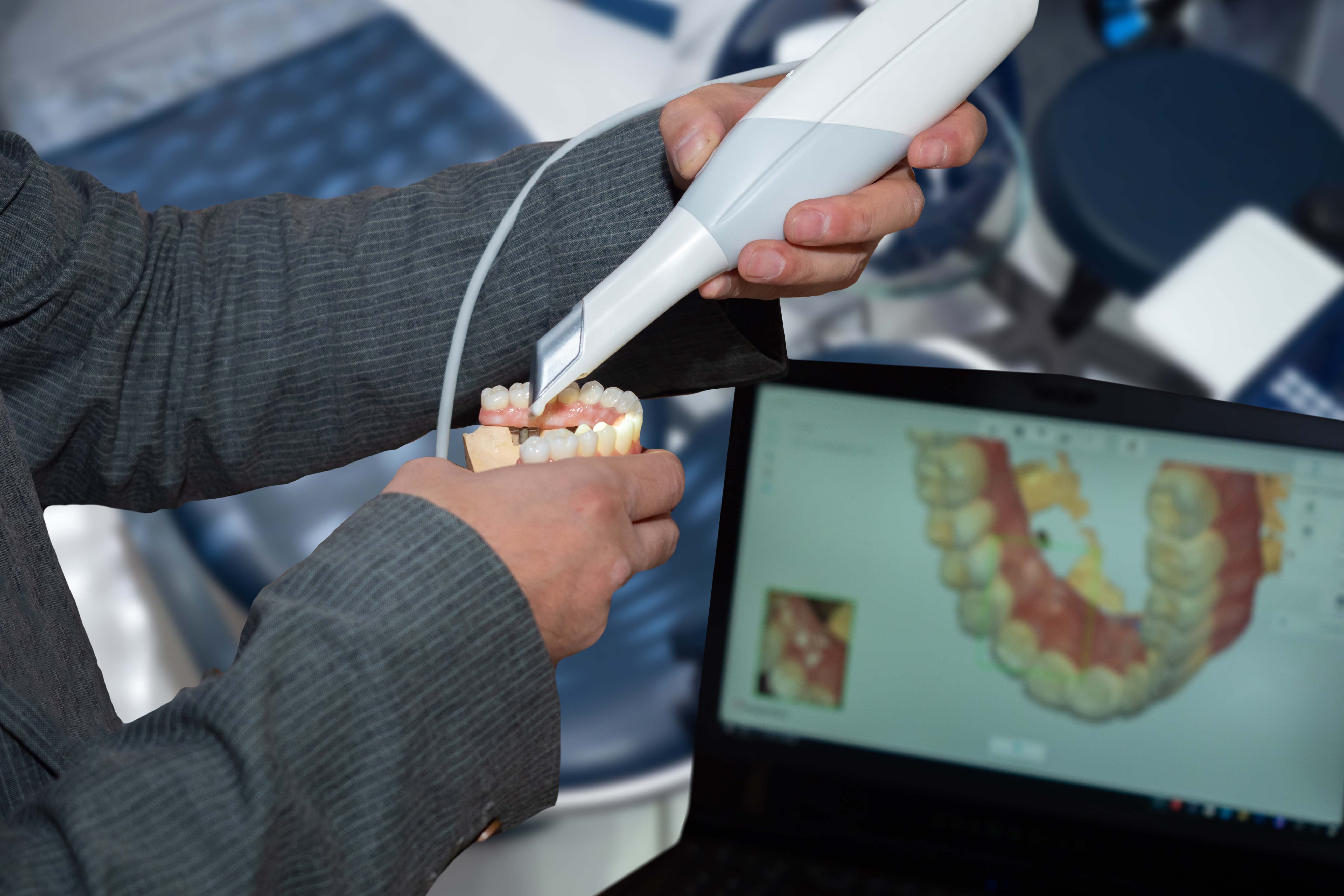
Digital scans can replace messy impressions for many crowns and night guards.
Used when it matters
We use CBCT and other tools when the extra detail will actually improve planning or diagnosis.
Plan-dependent coverage
We review benefits and written estimates before treatment whenever coverage may apply.
What digital dentistry means for patients
Digital dentistry is not just about newer equipment. It is about making visits easier to explain, easier to plan, and more comfortable when possible. Instead of relying only on traditional impressions or 2D images, we can use digital photos, scans, and 3D imaging to see more clearly and show you what we are seeing.
For many patients, that means fewer retakes, less guesswork, better communication during the visit, and more confidence in the treatment plan before anything begins.
Technology we use in our Bloomingdale office
Digital X-rays
Instant images with lower radiation than traditional film and clearer chairside review when something needs explanation.
CBCT 3D imaging
A more detailed 3D view used for planning when standard X-rays do not answer the question clearly enough.
Often helpful for dental implants, impacted teeth, and certain complex infections or root canal questions.
Digital intraoral scans
Comfortable digital impressions for many restorative and appliance cases, including crowns and custom night guards.
Helpful when planning a dental crown or replacing traditional impression material.
Guided implant planning
Digital planning can improve implant positioning by helping us study bone, spacing, and restorative goals before treatment begins.
Philips Zoom whitening
Professional in-office whitening for patients who want a brighter smile with supervision, sensitivity guidance, and realistic expectations.
Learn more about professional teeth whitening.
Digital lab communication
Digital files and photos support clearer communication with the lab, which can help reduce adjustments and improve consistency.
When this technology helps most
Not every visit needs advanced imaging or digital scanning. We recommend these tools when they make diagnosis, fit, planning, or patient communication more reliable.
- Planning a dental implant or evaluating available bone
- Designing a crown with a more comfortable digital scan
- Creating a custom night guard without impression material
- Investigating certain complex tooth pain or endodontic questions
- Reviewing whitening options with realistic expectations
- Showing patients exactly what we see before treatment starts
Quick answer
Digital dentistry usually helps in three ways: it can make appointments more comfortable, improve planning accuracy, and make it easier to explain why a treatment is being recommended.
If you are comparing options for implants, crowns, whitening, or a second opinion, digital imaging and scans often make those conversations easier.
Safety, radiation, and what patients usually ask
Digital X-rays
Digital sensors use less radiation than traditional film and provide immediate images for diagnosis and discussion.
CBCT scans
CBCT is reserved for situations where a 3D view can change planning or answer a question that 2D imaging cannot answer well enough.
Whitening comfort
Professional whitening is supervised, and we review sensitivity expectations and aftercare before you leave.
We follow ALARA principles and tailor imaging to the clinical need. In plain language, that means we do not order more imaging than necessary, and we use the lowest practical exposure that still gives us the information we need.
What your visit usually looks like
- 1) Focused images or scans. We take only the images or digital records that help answer the question in front of us.
- 2) Review together. We show you what the images mean in plain language instead of expecting you to guess at the screen.
- 3) Clear recommendations. You get the reason for the recommendation, the next step, and a written estimate when applicable.
- 4) Efficient follow-through. Digital files often help move crowns, whitening, implant planning, and other next steps along more smoothly.
Insurance and cost questions
Coverage depends on the reason the technology is being used. Diagnostic imaging such as digital X-rays or CBCT may be covered when it supports a necessary diagnosis or treatment plan. Cosmetic whitening is usually not covered.
Before treatment, we can review your benefits, explain what is likely to be covered, and provide a written estimate for any patient portion.
Helpful related pages
- Dental implants for replacement planning and CBCT-guided conversations
- Dental crowns when digital scans can help with fit and comfort
- Root canal care when more detailed imaging helps answer complex questions
- Teeth whitening for supervised cosmetic brightening
Dental Technology FAQs
Patients usually want to know whether digital scans are more comfortable, when 3D imaging is really necessary, whether radiation is safe, and what insurance may cover. Here are the straightforward answers.
What is digital dentistry?
How do digital scans help with crowns and night guards?
What is CBCT and when do you recommend it?
Are digital X-rays and CBCT safe?
Do you offer Philips Zoom whitening?
Can dental technology reduce the number of visits?
Will insurance cover CBCT, scans, or whitening?
Where is your office and is parking available?
Educational content only; not medical advice. Brand and product names are used for identification and remain the property of their respective owners.
Clinical guidance
Care at Serenity Dental of Bloomingdale follows guidance from established clinical organizations.
- American Dental Association — preventive, restorative, and cosmetic clinical guidance.
- American Academy of Pediatric Dentistry — first-visit-by-age-one and pediatric protocols.
- Centers for Disease Control and Prevention — population oral-health data.
- American Academy of Implant Dentistry — implant case selection and treatment planning.
Visit us
Dental Technology at our Bloomingdale, IL office
Serenity Dental of Bloomingdale is at 1 Tiffany Pt, Suite 205, Bloomingdale, IL 60108. Patients come to us for dental technology from Bloomingdale and from Glendale Heights, Roselle, Carol Stream, Itasca, Medinah, Addison, and Bartlett. Our team speaks 7 languages, including Spanish, Polish, Hindi, Urdu, and Arabic.
Hours
- Mon9:00 AM – 5:00 PM
- Tue10:00 AM – 6:30 PM
- Wed9:00 AM – 5:00 PM
- Thu9:00 AM – 5:00 PM
- Fri9:00 AM – 5:00 PM
- Sat9:00 AM – 3:00 PM
- SunClosed
Saturday hours and Tuesday evenings available.
Book dental technology
Online booking works for consultations and routine visits. For pain, swelling, or a broken tooth, call so we can fit you in sooner.