Cosmetic Dentistry
Dental bonding in Bloomingdale, IL
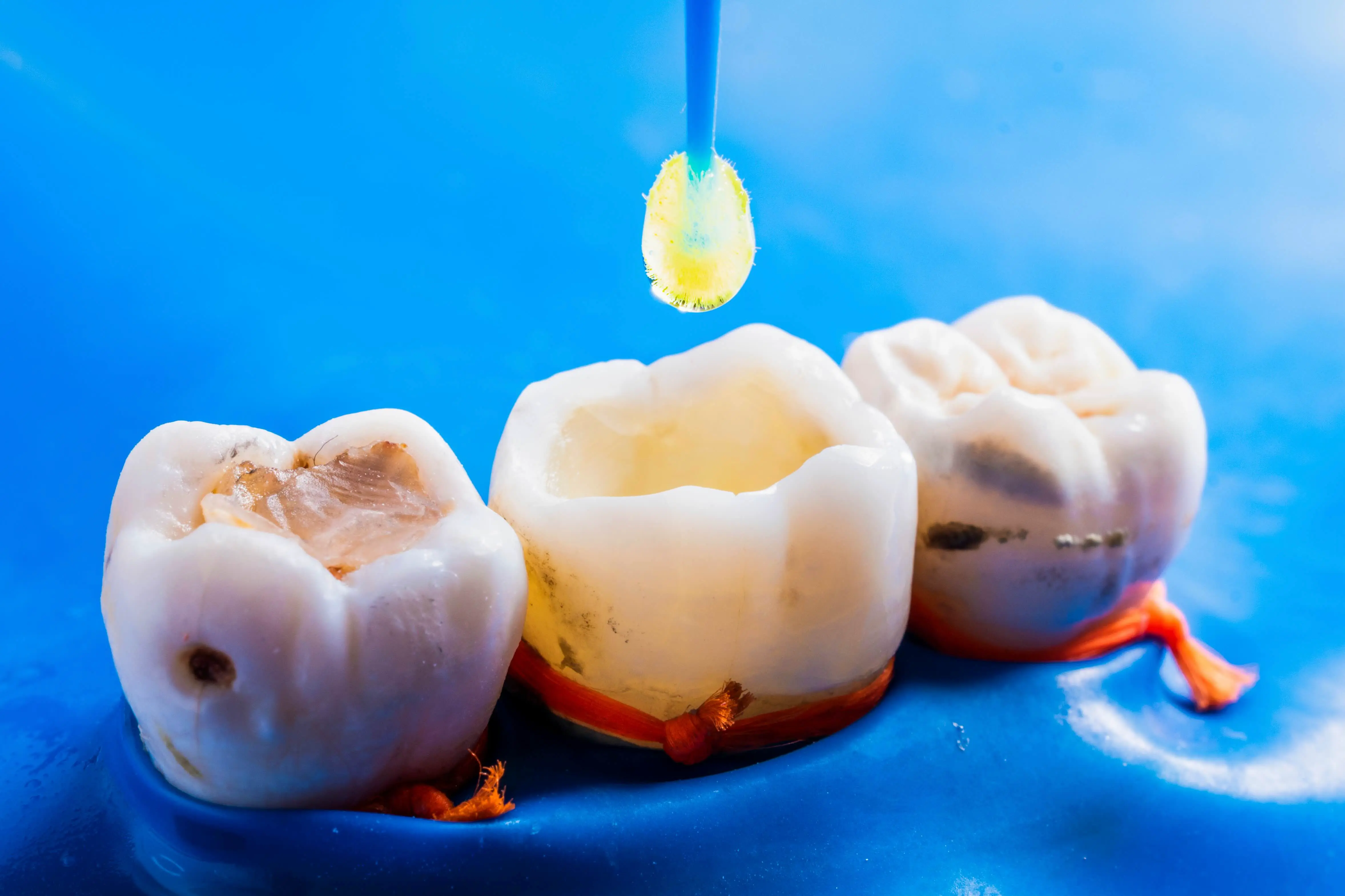
Dental bonding is a cosmetic procedure that uses tooth-colored composite resin to repair chips, close small gaps, smooth uneven edges, or reshape a tooth — usually completed in a single visit without anesthesia. Bonding lasts 5 to 7 years on average and runs $300-$600 per tooth, making it the most conservative and affordable cosmetic option for small to moderate front-tooth concerns.
In many cases, bonding is completed in one visit and keeps most or all of your natural tooth structure intact. It works best for small to moderate cosmetic changes, not full smile redesigns.
Usually a conservative option
Bonding is often a good fit when the goal is to repair or refine one area without removing much tooth structure.
Often completed in one visit
Many bonding cases can be planned, placed, shaped, and polished in a single appointment.
Best for smaller changes
Larger smile makeovers, heavy bite stress, or major structural damage may point toward veneers, Invisalign, or crowns instead.
What dental bonding can help with
- Small chips and minor fractures on front teeth
- Tiny gaps between teeth
- Uneven, rough, or slightly worn edges
- Minor shape changes for better balance
- Single teeth that need a small cosmetic refresh
Bonding is usually chosen when the change needed is noticeable to you but still fairly modest clinically.
Why patients like it
- Usually conservative and enamel-friendly
- Often completed in one visit
- More affordable than porcelain options in many cases
- Helpful when you want a cleaner, more polished look without a major treatment plan
If your main concern is spacing, we may also discuss Invisalign before using bonding to fine-tune the result.
Can bonding fix a chipped front tooth?
Often, yes. A small chipped front tooth is one of the most common reasons patients ask about bonding. When the tooth is otherwise healthy and the damage is limited, bonding can rebuild the edge, smooth the shape, and blend the repair with the surrounding enamel.
If the chip is larger, if the tooth is cracked deeper than it appears, or if the bite puts a lot of pressure on that area, we may recommend a stronger option such as a dental crown instead.
What the bonding visit is usually like
Bonding is often straightforward. We choose a shade that blends with your tooth, shape the material carefully, harden it with a curing light, and polish it so it looks smooth and natural.
1) Shade and shape
We choose a shade that matches your enamel and plan the shape before we start.
2) Place the bonding
The composite is applied in small layers and shaped carefully so the repair looks natural.
3) Refine and polish
We smooth and polish the surface so it blends better with the surrounding tooth and feels comfortable in your bite.
For a detailed walkthrough of every step, read the bonding procedure step by step guide. Patients curious about comfort can also read does dental bonding hurt.
How long bonding lasts
Bonding can last for years, but lifespan depends on where it is placed, how you bite, and habits like nail-biting, chewing ice, opening packages with your teeth, or clenching.
Bonding can also stain over time more easily than porcelain. Coffee, tea, red wine, and smoking can affect how it looks. In some cases, a bonded area can be polished or repaired if minor wear shows up later.
If you grind or clench, a night guard can help protect both bonded teeth and natural enamel.
For a deeper look at lifespan and what affects it, read how long does dental bonding last and bonding aftercare and maintenance.
Insurance and payment
- PPO insurance: Sometimes covered when bonding is restorative, such as repairing a chip or damaged area.
- Cosmetic-only changes: Purely elective bonding is less often covered by insurance.
- Benefits vary by plan: Coverage may depend on diagnosis, frequency limits, deductibles, and remaining annual maximum.
- No insurance? We can review practical payment options before treatment begins.
For a complete cost breakdown by case type and insurance scenario, read dental bonding cost.
Bonding vs veneers
Bonding is often the better fit when the change is smaller, more conservative, and focused on one area such as a chip, one tooth edge, or a small gap. Veneers are more often chosen when the goal is a broader smile redesign, more stain resistance, or coordinated cosmetic changes across multiple front teeth.
Bonding may make more sense when
- The repair is small to moderate
- You want a conservative first step
- You are treating one tooth rather than redesigning several
- You want a lower-cost cosmetic option when appropriate
Veneers may make more sense when
- You want a more dramatic smile change
- Multiple front teeth need coordinated cosmetic work
- Longer-term stain resistance is a bigger priority
- The tooth shape and color changes go beyond what bonding can handle well
For a side-by-side comparison with cost, lifespan, and case-fit detail, read dental bonding vs veneers and dental bonding vs crowns.
When another option may make more sense
Bonding is a great choice for small to moderate changes, but it is not the best answer for every smile goal.
Veneers
Veneers are often better for bigger smile changes, more stain resistance, or multiple front teeth that need a more dramatic transformation.
Crowns
A crown may be the better option when the tooth needs strength and protection, not just a cosmetic repair.
Whitening first
If your main goal is a brighter smile, teeth whitening may be the better first step before deciding whether bonding is still needed.
Invisalign
If spacing or alignment is the real issue, moving the teeth first can create a better long-term result than masking the problem with bonding.
Serving Bloomingdale and nearby communities
We see patients from Bloomingdale, Glendale Heights, Carol Stream, Roselle, Addison, and nearby communities for chipped teeth, small cosmetic repairs, and conservative smile improvements.
Related cosmetic and restorative options
Learn more about dental bonding
Sixteen in-depth guides covering everything patients ask about dental bonding -- cost, procedure, longevity, alternatives, and aftercare. Each article is written for patients considering bonding at Serenity Dental of Bloomingdale.
What is dental bonding
A complete overview: how bonding works, what it fixes, and how to decide if it is right for you.
Bonding vs veneers
When to choose each. Cost, lifespan, reversibility, and case-fit comparison.
Bonding for chipped tooth
The most common bonding case. Repair time, cost, and what to do before the visit.
dental insurance
Does Insurance Cover Dental Veneers? Coverage and Payment Options
Plain answers about veneer insurance coverage, what counts as cosmetic, and what payment plans actually work for patients in Bloomingdale, IL.
veneer lifespan
How Long Do Dental Veneers Last? Lifespan, Wear, and Replacement
Real numbers on how long porcelain and composite veneers last, what wears them down, and how to make them last longer, from a Bloomingdale, IL dentist.
porcelain veneers
Porcelain vs Composite Veneers: An Honest Comparison
Porcelain or composite veneers? A Bloomingdale, IL dentist breaks down cost, lifespan, appearance, and which option fits which kind of patient.
snap on veneers
Snap-On Veneers vs Permanent Veneers: An Honest Comparison
Snap-on or pop-on veneers vs bonded porcelain. A Bloomingdale, IL dentist explains who each one is for and where the marketing is misleading.
veneer preparation
Veneer Preparation and Tooth Shaving Explained
What really happens to teeth before veneers, how much enamel is removed, and when no-prep veneers are the right call. From a Bloomingdale, IL dentist.
veneers cost
How Much Do Dental Veneers Cost? A Plain-English Breakdown
What dental veneers really cost in 2026, what drives the price up or down, and how a Bloomingdale, IL dentist builds a written estimate before any treatment.
dental veneers
Veneers for Crooked or Chipped Front Teeth: When They Help
Honest guide from a Bloomingdale, IL dentist on using veneers to fix crooked or chipped front teeth, when veneers work, when orthodontics or bonding are better, and what the process actually looks like.
dental crowns
Veneers vs Crowns: When You Need Each One
Veneers and crowns are not the same. A Bloomingdale, IL dentist explains when each one is the right choice and what insurance usually pays for.
Lumineers
Veneers vs Lumineers: What Is the Difference, Really?
Lumineers are a brand of no-prep veneer. A Bloomingdale, IL dentist explains what is the same, what is different, and which one fits which patient.
veneer regret
Why Some People Regret Their Veneers, and How to Avoid That
Why veneer regret happens, what the patterns are, and how a Bloomingdale, IL dentist designs cases to make sure patients are happy years later.
dental veneers
What Are Dental Veneers? How They Work, Cost ($900-$2,500), Lifespan
A veneer is a thin porcelain or composite shell bonded to the front of a tooth. A Bloomingdale, IL dentist explains how veneers work, what they cost per tooth, and how long they last.
enameloplasty
What Is Enameloplasty? A Plain-English Guide to Enamel Reshaping
Enameloplasty is the dental term for tooth reshaping. What it involves, what it costs, when it's the right choice, and how to find it in Bloomingdale, IL.
Quick facts
| Treatment time | 30 to 60 minutes per tooth |
|---|---|
| Anesthesia | Usually none |
| Lifespan | 5 to 7 years |
| Typical cost | $300-$600 per tooth |
| Best for | Single chip, small gap, edge repair, minor reshaping |
| Insurance | Cosmetic bonding rarely covered; restorative bonding may be covered |
Cost figures on this page are typical Chicago-area ranges, not quotes. Fees depend on exam findings, materials, and insurance benefits; we provide a written, itemized estimate before treatment.
Bonding vs. veneers: when to choose which
| Factor | Dental bonding | Porcelain veneers |
|---|---|---|
| Best for | Single chip, small gap, edge repair | Multiple teeth, broader cosmetic change |
| Tooth removal | None or minimal | Light enamel reduction |
| Visits required | 1 visit | 2–3 visits |
| Lifespan | 5–7 years | 10–15 years |
| Stain resistance | Stains over time | Highly stain-resistant |
| Reversibility | Conservative, often reversible | Generally not reversible |
| Typical cost (per tooth) | $300-$600 | $900-$2,500 |
Cost ranges are typical for the Chicago suburbs and depend on case specifics. Insurance coverage varies. Contact Serenity Dental of Bloomingdale for an estimate based on your situation.
Clinical references
We rely on guidance from established clinical organizations. The references below inform how we explain options, expected outcomes, and aftercare on this page.
- American Dental Association recognizes composite resin bonding as a conservative cosmetic option for chips, gaps, and minor shape corrections on front teeth.
- American Academy of Cosmetic Dentistry guidance positions direct composite bonding as the most reversible and tooth-conserving cosmetic treatment available.
- Journal of Esthetic and Restorative Dentistry research on direct composite techniques and adhesive systems supporting predictable bonding outcomes.
- Journal of the American Dental Association research on direct composite restorations supports their use for minor cosmetic correction when proper bonding protocols and isolation are observed.
For patient education only. Treatment recommendations depend on individual diagnosis. Reviewed by Dr. Husna Khan, DDS.
Dental Bonding FAQs
These are the questions patients ask most often when they are deciding whether bonding is the right way to fix a chip, small gap, or minor cosmetic concern.
What can dental bonding fix?
How long does dental bonding last?
How is bonding different from veneers?
Do you accept dental insurance?
Is dental bonding cheaper than veneers?
What is a smile makeover and what does it include?
What is composite bonding?
Educational content only. Recommendations are personalized after an exam and any needed imaging.
This treatment is part of Cosmetic dentistry in Bloomingdale, IL.
Visit us
Dental Bonding at our Bloomingdale, IL office
Serenity Dental of Bloomingdale is at 1 Tiffany Pt, Suite 205, Bloomingdale, IL 60108. Patients come to us for dental bonding from Bloomingdale and from Glendale Heights, Roselle, Carol Stream, Itasca, Medinah, Addison, and Bartlett. Our team speaks 7 languages, including Spanish, Polish, Hindi, Urdu, and Arabic.
Hours
- Mon9:00 AM – 5:00 PM
- Tue10:00 AM – 6:30 PM
- Wed9:00 AM – 5:00 PM
- Thu9:00 AM – 5:00 PM
- Fri9:00 AM – 5:00 PM
- Sat9:00 AM – 3:00 PM
- SunClosed
Saturday hours and Tuesday evenings available.
Book dental bonding
Online booking works for consultations and routine visits. For pain, swelling, or a broken tooth, call so we can fit you in sooner.