
Periodontal Care
Gum therapy in Bloomingdale, IL
Serenity Dental treats the full range of gum disease -- from early bleeding gums to advanced periodontitis -- with non-surgical scaling and root planing, surgical options including gum grafts and osseous surgery, and structured periodontal maintenance to keep gums stable long-term.
Dr. Husna Khan evaluates pocket depth, bleeding patterns, and bone support at your first visit to determine whether you need a routine cleaning, scaling and root planing, or more advanced treatment. Gum disease affects nearly 47 percent of adults over 30 per Centers for Disease Control and Prevention (CDC) surveillance data -- early diagnosis leads to significantly better outcomes.
Last updated: April 2026 · Reviewed by Dr. Husna Khan, DDS · Treatment planning follows American Academy of Periodontology (AAP) clinical guidelines
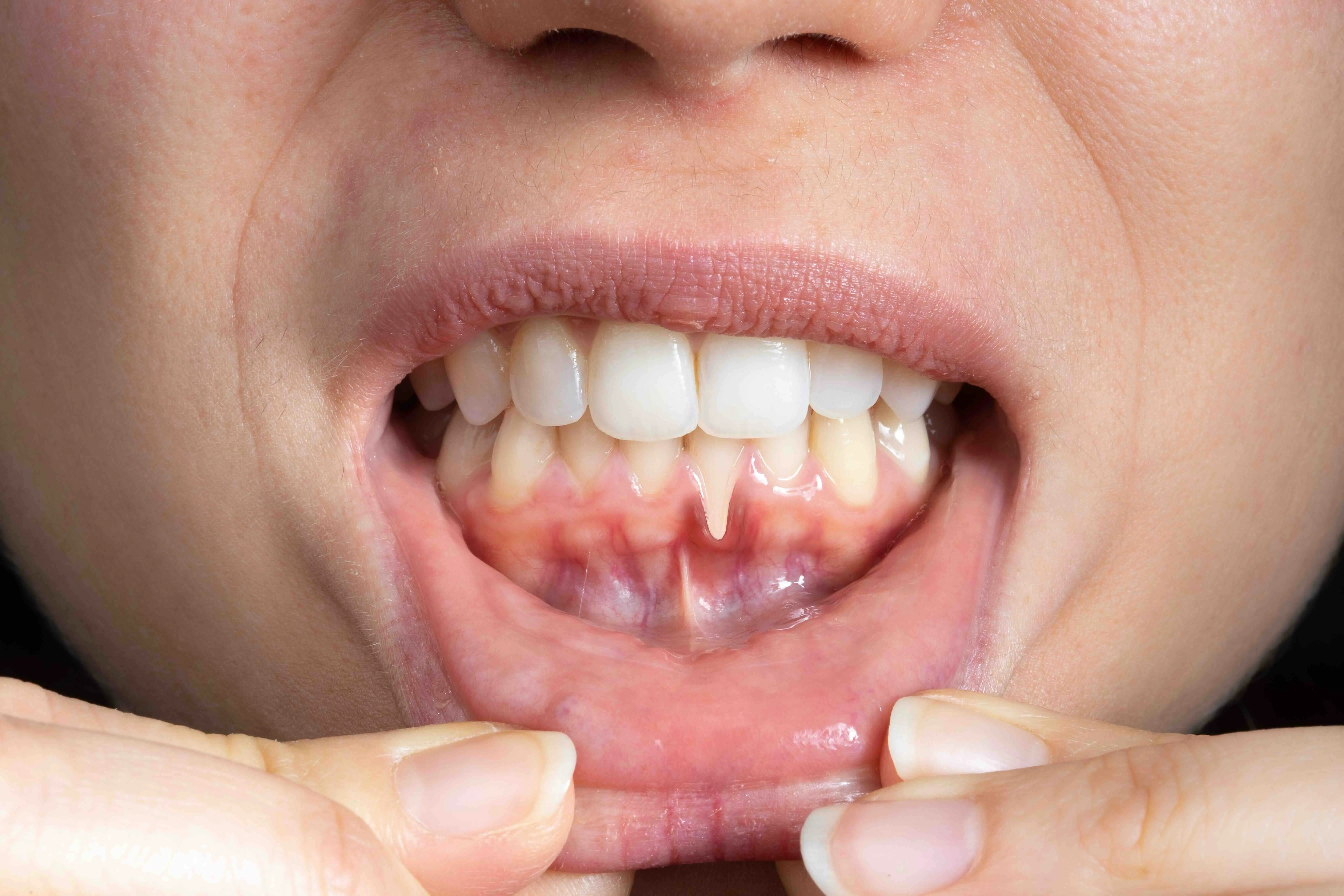
Warning signs
- Bleeding when brushing or flossing
- Swollen, tender, or puffy gums
- Persistent bad breath
- Gum recession or sensitivity
- Loose teeth or shifting bite
Why it matters
Gum disease is the leading cause of adult tooth loss. It is also linked to heart disease, diabetes complications, and pregnancy complications per AAP research. In advanced cases, bone grafting may be part of the recovery plan.
Our approach
Clear diagnosis with measurements and X-rays, appropriate treatment intensity (non-surgical first when possible), realistic home-care guidance, and a maintenance plan you can actually keep up with.
Gum specialist or general dentist?
Gingivitis and early-to-moderate periodontitis are treated in our office: scaling and root planing, localized antibiotic placement, and the periodontal maintenance visits that follow. A periodontist, the gum specialist, is the right referral for pockets deeper than 6 mm that do not respond to non-surgical care, gum grafting for advanced recession, or bone regeneration around teeth we want to keep. We measure first, treat what a general dentist should treat, and refer with your records and X-rays when a specialist will get a better result.
The four stages of gum disease
Understanding what stage you are in clarifies what treatment is needed. The American Academy of Periodontology (AAP) uses a stages I-IV classification system based on clinical attachment loss, pocket depth, and bone support.
Stage 1
Gingivitis
Bleeding gums, inflammation, no bone loss. Fully reversible with improved care and cleaning.
Stage 2
Early periodontitis
Pockets 4-5 mm, mild bone loss starting. Scaling and root planing is primary treatment.
Stage 3
Moderate periodontitis
Pockets 5-6 mm, notable bone loss. May require osseous surgery or gum graft in addition to SRP.
Stage 4
Advanced periodontitis
Pockets 7+ mm, severe bone loss, tooth mobility. Comprehensive treatment including possible extractions.
Do I need a deep cleaning?
Not everyone with gum irritation needs gum therapy, but a routine cleaning is not enough when buildup has penetrated below the gumline, pocket depths exceed 4 mm, or bleeding is widespread. The first visit focuses on periodontal measurements (probing depths at 6 points per tooth), X-rays to evaluate bone, and overall gum condition.
Dr. Husna Khan determines the appropriate level of care based on these findings -- routine cleaning, scaling and root planing, or referral to a periodontist for advanced surgical treatment.
Quick answers
- Bleeding gums? Often a sign you need more than routine care.
- Deep cleaning? Scaling and root planing below the gumline.
- After treatment? Some return to routine care, others need periodontal maintenance every 3-4 months.
Non-surgical treatments
Scaling and root planing (SRP)
The deeper cleaning most people call a "deep cleaning." We remove buildup below the gumline and smooth the root surfaces so gums can heal and tighten. Typically done in 2 visits, one side of the mouth per visit, with local anesthesia for comfort. Cost: $200-$400 per quadrant per quadrant, typically covered at 50-80 percent by insurance.
Localized antibiotic therapy
Antibiotic microspheres (Arestin) placed directly in deeper pockets after SRP to reduce bacteria. Often added for pockets that do not respond fully to SRP alone. Cost: : $50-$130 per site per site, variable insurance coverage.
Periodontal maintenance
After initial therapy, cleanings every 3-4 months (vs the standard 6-month recall) prevent disease recurrence. This is the long-term standard of care for anyone who has had active gum disease per AAP guidelines.
Home care coaching
Specific instruction on brushing technique, flossing method, interdental brush sizing, and product recommendations (antibacterial mouthwash, sensitivity toothpaste) tailored to your specific findings.
Surgical treatments
When non-surgical treatment does not fully resolve disease -- typically pockets 5+ mm that do not reduce after SRP, or significant recession exposing roots -- surgical options address the underlying anatomy.
Gum graft surgery
Tissue is transplanted to cover exposed roots and restore receded gum tissue. Types include connective tissue graft, free gingival graft, and pedicle graft. Cost: $600-$1,800 per site per tooth, 50 percent typical insurance coverage.
Osseous surgery
Pocket reduction surgery -- gum tissue is reflected, tartar beneath is cleaned, and bone contours are reshaped so gums heal to reduced pocket depths. For pockets 6+ mm. Cost: $700-$1,800 per quadrant per quadrant, 50 percent typical insurance.
Guided tissue regeneration
Barrier membrane + bone graft material encourages regrowth of lost bone and periodontal attachment. Used in specific bony defects. Cost: $600-$1,500 per site.
Is gum therapy painful?
We use local anesthesia for any procedure involving work below the gumline. Most scaling and root planing patients describe pressure and vibration rather than sharp pain. Mild tenderness the next 1-3 days is normal and controlled with ibuprofen.
Surgical procedures (gum graft, osseous surgery) have more discomfort for the first 2-3 days but are managed with prescription medication when needed. We offer nitrous oxide and oral sedation options for patients with anxiety.
Recovery expectations
Non-surgical (SRP): mild tenderness 1-3 days, soft foods helpful but not required, normal activities immediately.
Surgical (gum graft): soft foods for 2 weeks, avoid the surgical site when brushing, follow-up at 1-2 weeks. Complete healing over 6-8 weeks.
Insurance and payment
- PPO plans: Usually cover SRP at 50-80 percent (plan-dependent category). Gum graft and osseous surgery at 50 percent as major services.
- Frequency limits: SRP typically once per 2 years per quadrant. Periodontal maintenance 4x per year at higher frequency than standard cleanings.
- Medicaid and Medicare Advantage: Coverage varies by plan. We verify before treatment.
- No insurance? Ask about practical payment options and financing.
Long-term success
Gum disease is manageable but not "curable" in the sense that it will not return -- it requires ongoing maintenance. Patients who maintain 3-month periodontal maintenance cleanings have significantly better long-term outcomes per multiple long-term clinical studies tracked by the AAP.
Smoking cessation, controlled diabetes, and consistent home care are the three biggest factors in long-term gum stability.
Learn more about gum therapy
In-depth guides on specific gum therapy topics, written by Dr. Husna Khan and reviewed against American Academy of Periodontology clinical guidelines.
Recession
Receding gums treatment options
Non-surgical approaches, gum grafts, and what realistic "healing" looks like.
Surgical
Gum graft surgery guide
Types of gum grafts, cost, recovery timeline, and before/after expectations.
Comparison
Gingivitis vs periodontitis
What is reversible, what is not, and how each is treated differently.
Recovery
Gum graft recovery: day-by-day timeline
From day 1 to month 6 -- pain, eating, healing milestones, and warning signs.
Serving Bloomingdale and nearby communities
Serenity Dental sees patients from Bloomingdale, Glendale Heights, Carol Stream, Roselle, Addison, and nearby communities for bleeding gums, scaling and root planing, gum graft surgery, osseous surgery, and periodontal maintenance.
If gum symptoms are getting worse or it has been a while since your last cleaning, booking an evaluation early usually makes the next step simpler and more affordable.
Quick facts
| Treatment time | Two 60-minute visits typically (half mouth each) |
|---|---|
| Anesthesia | Local anesthesia |
| Recovery | 1 to 2 days of mild tenderness; reevaluation at 4 to 6 weeks |
| Typical cost | $200-$400 per quadrant (SRP) |
| Maintenance | Periodontal cleanings every 3 to 4 months |
| Diagnoses treated | Gingivitis, chronic periodontitis, peri-implantitis |
Cost figures on this page are typical Chicago-area ranges, not quotes. Fees depend on exam findings, materials, and insurance benefits; we provide a written, itemized estimate before treatment.
Clinical references
We rely on guidance from established clinical organizations. The references below inform how we explain options, expected outcomes, and aftercare on this page.
- American Academy of Periodontology treatment guidelines describe scaling and root planing as the standard non-surgical therapy for chronic periodontitis.
- Centers for Disease Control and Prevention estimates that nearly half of US adults aged 30 and older have some form of periodontal disease.
- Cochrane Oral Health Group evidence reviews on scaling and root planing efficacy and adjunctive antimicrobials.
- American Dental Association evidence-based clinical practice guideline supports scaling and root planing as the standard non-surgical periodontal therapy.
For patient education only. Treatment recommendations depend on individual diagnosis. Reviewed by Dr. Husna Khan, DDS.
Gum Therapy FAQs
Questions patients ask most often about bleeding gums, deep cleanings, and gum disease treatment.
What are signs that I may need gum therapy?
Is gum therapy the same as a deep cleaning?
Is gum therapy uncomfortable?
Will I need maintenance after gum therapy?
Do you accept dental insurance?
Why are my gums bleeding when I brush or floss?
Is gum disease reversible?
What is the difference between a regular cleaning and a deep cleaning?
How many visits does gum disease treatment take?
What are the stages of gum disease?
Why are my gums or teeth turning black at the gumline?
Can brushing too hard cause gum recession?
Is gum disease genetic?
Educational content only. Recommendations are personalized after an exam and any needed imaging.
Ready to address gum concerns?
Whether you have bleeding gums, have been told you need a deep cleaning, have visible recession, or want to understand what stage of gum disease you might be in, Dr. Husna Khan provides thorough evaluation with honest recommendations. Call (630) 359-0105 to schedule a gum evaluation.
Visit us
Gum Therapy at our Bloomingdale, IL office
Serenity Dental of Bloomingdale is at 1 Tiffany Pt, Suite 205, Bloomingdale, IL 60108. Patients come to us for gum therapy from Bloomingdale and from Glendale Heights, Roselle, Carol Stream, Itasca, Medinah, Addison, and Bartlett. Our team speaks 7 languages, including Spanish, Polish, Hindi, Urdu, and Arabic.
Hours
- Mon9:00 AM – 5:00 PM
- Tue10:00 AM – 6:30 PM
- Wed9:00 AM – 5:00 PM
- Thu9:00 AM – 5:00 PM
- Fri9:00 AM – 5:00 PM
- Sat9:00 AM – 3:00 PM
- SunClosed
Saturday hours and Tuesday evenings available.
Book gum therapy
Online booking works for consultations and routine visits. For pain, swelling, or a broken tooth, call so we can fit you in sooner.