
Emergency Dental Care
Emergency dentist in Bloomingdale, IL
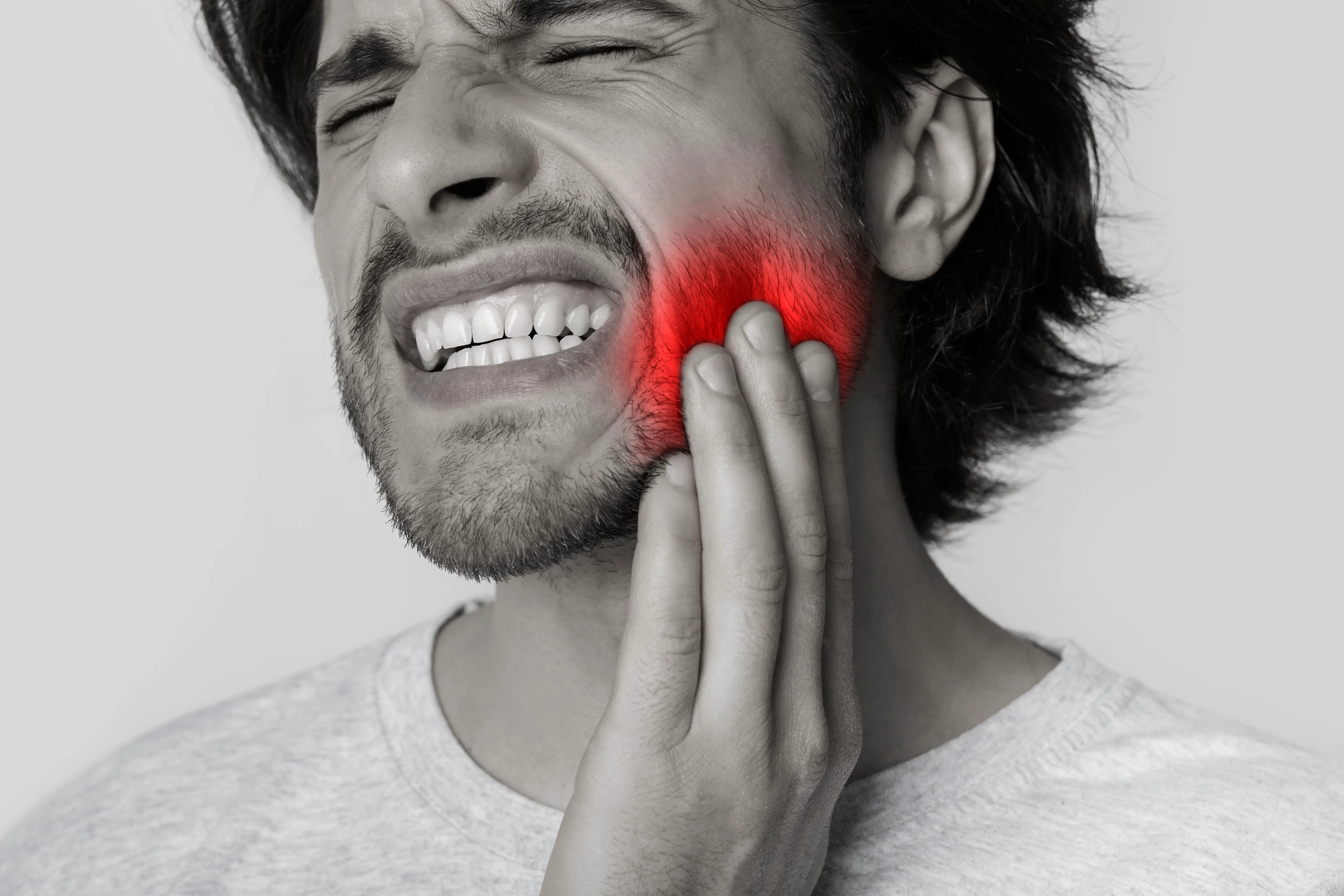
Severe tooth pain, swelling, a broken tooth, a lost crown, or a knocked-out tooth can need prompt care. At Serenity Dental of Bloomingdale, the first step is a focused emergency evaluation to find the cause, relieve pain when possible, and explain the next step clearly.
Emergency Exam + X-Ray: $49
Includes a focused emergency exam and any needed X-ray. Additional treatment, prescriptions, or follow-up care are separate.
Quick answer
If you have severe pain, swelling, bleeding that will not stop, trauma, or a knocked-out tooth, call an emergency dentist right away.
Go to the ER instead
Go to the ER or call 911 for trouble breathing or swallowing, uncontrolled bleeding, swelling near the eye, or major facial trauma.
Same-day emergency visits may be available depending on the situation and schedule.
Same-day focus
Focused emergency exams and digital X-rays to identify the problem quickly.
Common urgent issues
Toothaches, swelling, broken teeth, lost crowns, knocked-out teeth, and wisdom tooth flare-ups.
Insurance accepted
We accept major PPO plans, Medicaid, and Medicare Advantage plans based on eligibility.
Nearby communities
Serving Bloomingdale and nearby areas like Glendale Heights, Carol Stream, Roselle, and Addison.
Dental problems that often need prompt care
Not every dental problem is an emergency, but some symptoms should not be ignored. These are some of the most common reasons patients call for emergency dental care in Bloomingdale.
Severe toothache
Strong or throbbing tooth pain can point to deep decay, nerve irritation, or infection. If pain keeps you awake or gets worse fast, call right away.
Swelling or dental infection
Swelling in the gums, cheek, or jaw can be a sign of infection. If infection is the cause, the next step may include care such as root canal treatment when the tooth can be saved.
Broken or cracked tooth
Even a small crack can worsen with chewing. Some damaged teeth can be repaired, while others may need stronger protection such as a dental crown.
Lost crown or filling
A lost restoration can leave a tooth exposed and sensitive. Early care can reduce the chance of more damage.
Knocked-out adult tooth
A knocked-out adult tooth is time-sensitive. Fast action gives the tooth the best chance of being saved.
Tooth that cannot be saved
Some emergencies end with a repair plan. Others are better treated with an extraction when the tooth cannot be saved comfortably or predictably.
What to do before you get here
Toothache or swelling
Call as soon as you can. Keep the area clean, rinse gently with warm water, and do not place aspirin directly on the gum.
Broken tooth
Rinse gently, save any pieces if you can, and avoid chewing on that side until the tooth is examined.
Knocked-out tooth
Pick it up by the crown, not the root. If it is dirty, rinse it gently without scrubbing. If you can place it back in the socket safely, do that. Otherwise keep it in milk and call immediately.
Lost crown or filling
Keep the area clean and call. Waiting too long can leave the tooth more vulnerable to pain and breakage.
What happens at an emergency dental visit
Emergency visits are focused on one thing first: identifying the cause and getting you stable. After the exam and any needed X-rays, we explain what is causing the problem, what can be done today, and what the next step looks like.
-
1) Focused exam
We review the symptoms, listen to what changed, and look closely at the area that hurts, feels swollen, or was injured.
-
2) X-rays if needed
Imaging helps show infection, cracks, deep decay, impacted teeth, or damage that is not visible from the outside.
-
3) Relief and a practical plan
We focus on pain relief when possible, stabilizing the tooth or area, and explaining the most sensible next step clearly.
Pain and pressure relief
When possible, the first goal is to reduce pressure, irritation, or pain so the problem feels manageable again.
Tooth-saving treatment when appropriate
If the tooth can be saved predictably, we will explain repair options and any urgent follow-up that makes sense.
Emergency extraction when needed
Sometimes the safest plan is removing a tooth that cannot be saved comfortably or predictably.
Walk-in and weekend availability
Walk-ins with a true emergency are seen when the schedule allows, but a phone call first almost always gets you in sooner: the front desk can hold the next open slot, tell you what to do on the way, and have the room ready. The office is open Saturday from 9 AM to 3 PM and until 6:30 PM on Tuesdays, which covers most of the "dentist open on weekends" and "after work" situations. Outside those hours, call (630) 359-0105 and follow the voicemail instructions; a knocked-out tooth, uncontrolled bleeding, or facial swelling that affects breathing or swallowing goes to the emergency room first.
Cost, insurance, and payment options
- Emergency Exam + X-Ray: $49
- Major PPO plans: Many plans include emergency exams and may help with urgent treatment depending on your benefits.
- Medicaid and Medicare Advantage dental: Coverage varies by plan and eligibility. We can help verify benefits before treatment begins.
- No insurance? Ask about practical payment options and financing if additional treatment is needed.
Benefits vary by plan and service. Estimates are helpful, but final coverage decisions come from the insurance carrier.
Related emergency treatments
An emergency visit often makes the best next step much clearer.
Learn more about dental emergencies
In-depth guides covering what counts as an emergency, first-aid steps, and what happens at the urgent visit.
Triage
What counts as a dental emergency?
Pain, swelling, broken teeth -- when to call the dentist, when to go to the ER.
First aid
Broken or chipped tooth -- first steps
Fracture types, immediate first-aid, and treatment from bonding to root canal.
Treatment
Broken tooth extraction
When extraction is needed, how it differs from a simple extraction, recovery.
Infection
Infected tooth extraction
Antibiotics before extraction, when to extract vs save, post-op infection signs.
Same-day
Emergency root canal
When tooth pain needs same-day treatment and what happens at the urgent visit.
Recovery
Pain after a root canal
What is normal, how long soreness lasts, and when post-treatment pain is concerning.
Patient guidance
This page is for patient education and is designed to help you decide when to call a dentist promptly. It does not replace emergency medical care. If you believe you may have a life-threatening emergency, call 911 or go to the ER.
Quick facts
| Same-day availability | Yes — call (630) 359-0105 for urgent care |
|---|---|
| Treats | Knocked-out tooth, broken tooth, swelling, severe pain, lost crown or filling |
| Knocked-out tooth window | Replant within 30 minutes for best prognosis (IADT) |
| Typical cost | $49 emergency exam (new patients); treatment quoted at visit |
| After-hours | Triage by phone; same-day or next-morning appointment |
| Pain control | Local anesthesia; nitrous or oral sedation available for surgical care |
Cost figures on this page are typical Chicago-area ranges, not quotes. Fees depend on exam findings, materials, and insurance benefits; we provide a written, itemized estimate before treatment.
Clinical references
We rely on guidance from established clinical organizations. The references below inform how we explain options, expected outcomes, and aftercare on this page.
- International Association of Dental Traumatology guidelines for replanting an avulsed permanent tooth call for action within 30 minutes for the best prognosis, ideally with the tooth stored in milk or saline.
- American Dental Association provides patient guidance on managing common dental emergencies including knocked-out teeth, broken teeth, and severe pain.
- American Association of Endodontists resources address dental trauma triage, pulp protection, and follow-up care.
For patient education only. Treatment recommendations depend on individual diagnosis. Reviewed by Dr. Husna Khan, DDS.
Emergency Dental FAQs
These are the questions patients ask most often when pain, swelling, or a broken tooth cannot wait.
What counts as a dental emergency?
What should I do if I have swelling or signs of infection?
What if I break a tooth?
What if I lose a filling or crown?
What should I do if a tooth gets knocked out?
Should I call the dentist or go to the ER?
Will antibiotics alone fix a tooth infection?
Do you accept dental insurance?
Do you accept Medicaid or Medicare Advantage dental plans?
Do you offer financing or payment options?
Can I walk in without an appointment for a dental emergency?
Are you open today for a dental emergency?
What can I do for a toothache while I wait to see a dentist?
Should I go to the ER or call a dentist for tooth pain with facial swelling?
How much does an emergency dental visit cost without insurance?
What are the signs of a tooth abscess?
How do I know if I need a root canal?
What home remedies actually help a toothache?
Educational content only; not medical advice. If you believe you have a life-threatening emergency, call 911.
Pricing and coverage details are for patient education and may change without notice. Final recommendations depend on the exam and imaging findings.
Visit us
Emergency Dentist at our Bloomingdale, IL office
Serenity Dental of Bloomingdale is at 1 Tiffany Pt, Suite 205, Bloomingdale, IL 60108. Patients come to us for emergency dentist from Bloomingdale and from Glendale Heights, Roselle, Carol Stream, Itasca, Medinah, Addison, and Bartlett. Our team speaks 7 languages, including Spanish, Polish, Hindi, Urdu, and Arabic.
Hours
- Mon9:00 AM – 5:00 PM
- Tue10:00 AM – 6:30 PM
- Wed9:00 AM – 5:00 PM
- Thu9:00 AM – 5:00 PM
- Fri9:00 AM – 5:00 PM
- Sat9:00 AM – 3:00 PM
- SunClosed
Saturday hours and Tuesday evenings available.
Book emergency dentist
Online booking works for consultations and routine visits. For pain, swelling, or a broken tooth, call so we can fit you in sooner.