Sedation Dentistry
Dental Anxiety and Sedation: Which Option Matches Your Fear Level
Dental anxiety is common and treatable. Sedation levels matched to anxiety severity, medications dentists use, and what to say before your appointment.

Written by Dr. Husna Khan, DDS
Serenity Dental of Bloomingdale · April 15, 2026
For patients who’ve been putting off dental care because of anxiety. Call (630) 359-0105 — the first conversation is just that. No instruments, no surprises.
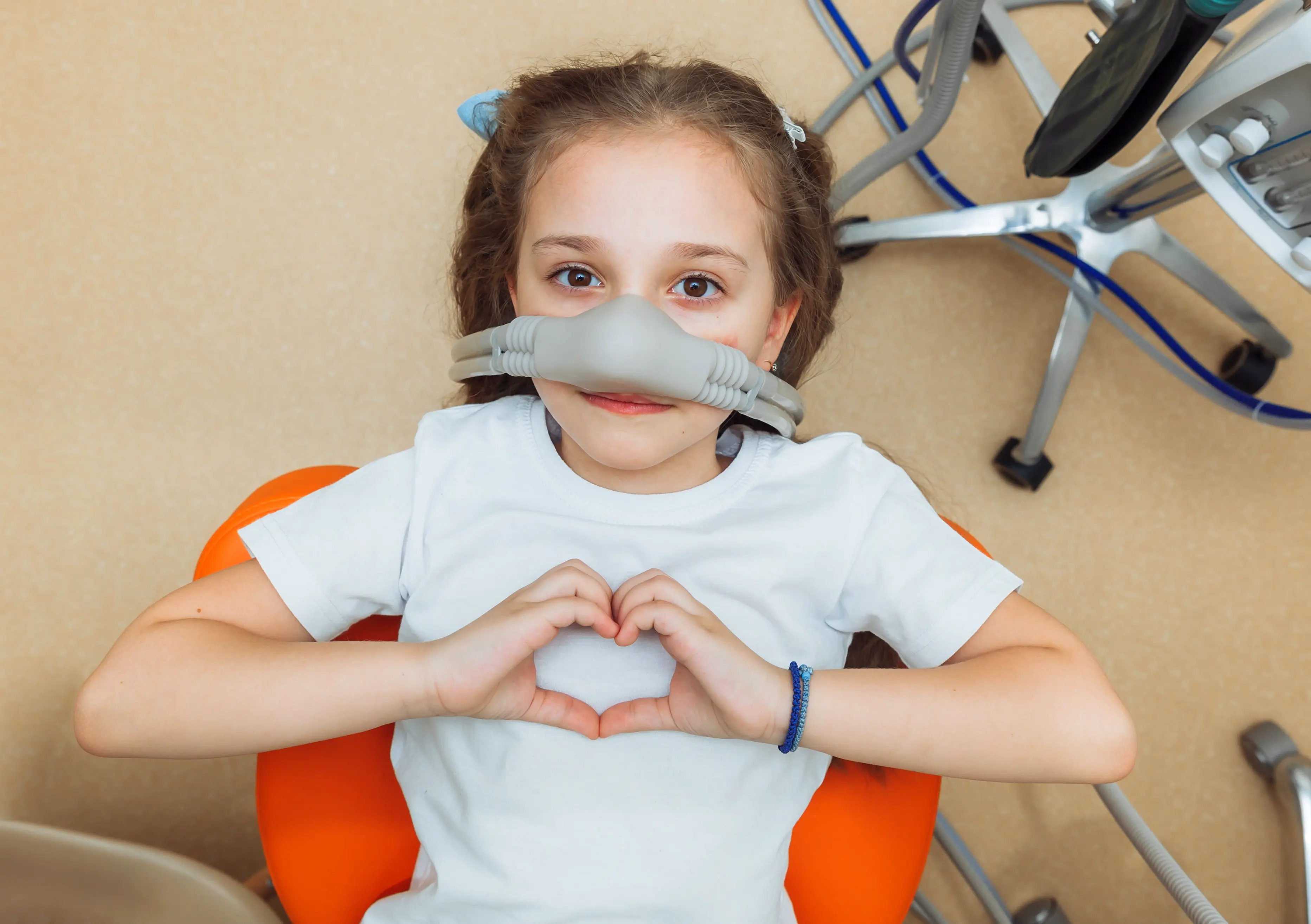
Approximately 36% of the US population experiences some dental anxiety. Around 12% have dental phobia severe enough to avoid care entirely. These patients are not avoiding dentists because they don’t understand the importance of dental care. They avoid dentists because the anxiety response — real, physiological, not just nervousness — makes the experience feel unbearable.
Sedation dentistry exists to address that gap. Not to embarrass patients into compliance, not to judge the state of their teeth after years of avoidance, and not to override the anxiety without addressing its source. The goal is to make treatment possible in a way that doesn’t add another difficult memory to the ones that likely caused the fear in the first place.
Why do people avoid the dentist?
Understanding where dental anxiety comes from helps clarify why willpower alone doesn’t fix it. The most common causes aren’t weakness — they’re predictable responses to real experiences.
A previous painful or traumatic procedure
Often a single experience in childhood — inadequate anaesthetic, a difficult extraction, a dentist who didn't communicate well. The brain classifies dental appointments as threats, and that classification persists even when subsequent experiences have been fine.
Fear of needles and injections
Trypanophobia (needle phobia) is one of the most prevalent phobias. For dental patients, the local anaesthetic injection — and the anticipation of it — is often more distressing than the procedure itself. Sedation administered before the injection changes this entirely: by the time the needle arrives, the anxiety response has been pharmacologically suppressed.
Loss of control
Lying reclined, mouth open, unable to speak or see what's happening — for many anxious patients this combination triggers a stress response independent of pain. The helplessness itself is the problem. Agreed-upon stop signals, clear narration from the dentist, and sedation that reduces hypervigilance all address different aspects of this.
Embarrassment about teeth after a long gap
One of the most under-discussed drivers: patients who haven't been in years are ashamed of the state of their teeth and expect judgement. This shame keeps them away longer, which worsens the clinical picture, which increases the shame. At Serenity Dental, the state of someone's teeth after years of anxiety-driven avoidance is not surprising or unusual. It's the starting point.
Sensory sensitivities
The smell of the materials, the sound of the drill, the sensation of instruments in the mouth — for patients with sensory processing differences or generalised anxiety, these can trigger a stress response strong enough to prevent treatment. Sedation reduces sensory hypervigilance alongside anxiety.
Matching sedation level to anxiety level
The most common mistake people make when researching sedation dentistry is assuming they either need the maximum or that they should manage without any. Neither is usually right. The match between anxiety level and sedation type matters — too little doesn’t help, too much is unnecessary.
The right sedation level is determined at the consultation — not assumed from the procedure type alone.
Mild anxiety — nitrous oxide
Nitrous oxide suits patients who feel genuine anxiety before appointments but can typically get through them. The triggers are often specific: the injection, a particular instrument sound, the smell of the materials. Nitrous reduces the anxiety response without producing grogginess, has no recovery time, and requires no companion for transport.
It’s also the best entry point for a patient who’s never had sedation before and is uncertain whether they want it — the experience is controlled, gentle, and fully reversible within minutes.
Moderate anxiety — oral sedation
Oral sedation is appropriate when the anxiety reliably causes cancellations, when years of avoidance have accumulated, when injections are unmanageable regardless of how the dentist approaches them, or when nitrous oxide has been tried and found insufficient.
Diazepam (Valium) is the most widely recognised name in oral dental sedation. A benzodiazepine with a longer duration of action, it produces significant relaxation and memory reduction. Taken 30–60 minutes before the appointment, it substantially reduces the anxiety response. Recovery takes several hours; a companion is required.
Triazolam (Halcion) works similarly but has a shorter half-life, making it preferred for shorter procedures where lingering sedation after the appointment is less desirable. Both are prescribed at the consultation after reviewing health history.
Severe dental phobia — IV sedation by referral
IV sedation is the appropriate option when anxiety is severe enough that lighter sedation hasn’t worked, when a patient hasn’t been to a dentist in many years because of fear, or when the gag reflex is so pronounced that lighter sedation hasn’t adequately addressed it. Because IV sedation calls for dedicated anesthesia credentials and continuous monitoring, we refer these cases to a trusted local oral surgeon and coordinate the treatment plan with their office.
At Serenity Dental, Dr. Husna Khan has worked with patients who haven’t had dental care in a decade or more because of phobia. IV sedation is frequently what makes it possible to start, and the referral coordination is handled for you. The near-total amnesia of the procedure — most patients have no clear memory of what happened — prevents the reinforcement of a new difficult memory and makes the next appointment less fraught.
Medications used for dental anxiety
| Medication | Class | How given | Duration |
|---|---|---|---|
| Nitrous oxide | Inhalation agent | Nose mask — chairside | 5 min recovery |
| Diazepam (Valium) | Benzodiazepine | Pill — taken before appt | 6–12 hrs (long-acting) |
| Triazolam (Halcion) | Benzodiazepine | Pill — taken before appt | 2–4 hrs (short-acting) |
| Hydroxyzine (Vistaril) | Antihistamine | Pill or liquid | 4–6 hrs |
| Midazolam (Versed) | Benzodiazepine | IV — administered chairside | 1–3 hrs (controllable) |
Medication selection determined at consultation. Health history, current medications, and planned procedure all affect the choice.
One thing the medication table doesn’t capture: hydroxyzine is an important option for patients who can’t take benzodiazepines — those with a history of substance use disorder, certain respiratory conditions, or who are already on medications that interact with the benzodiazepine class. It’s less potent than diazepam or triazolam for moderate anxiety, but meaningful for mild-to-moderate cases and a useful option to discuss at the consultation.
Strategies that help alongside sedation
Sedation is the most reliable tool for significant dental anxiety. For milder cases, or as a complement to sedation, these approaches reduce the anxiety load:
Agree on a stop signal before treatment begins
Raising a hand means pause immediately — no questions asked. Knowing you have control over whether the procedure continues is itself anxiety-reducing. Dr. Husna Khan uses this with every anxious patient.
Tell the dentist before you sit down
Not after the instruments are out. Mentioning anxiety at scheduling or on arrival allows the dentist to adjust pace, explain every step in advance, and discuss sedation options before you're in the chair.
Schedule at a low-stress time
The first appointment of the day before other concerns accumulate, or a mid-week appointment when work pressure is lower. Avoid scheduling immediately before or after a stressful commitment.
Noise-cancelling headphones
The drill is one of the most reported anxiety triggers. Removing the auditory stimulus while remaining conscious during simple procedures reduces the anxiety response significantly for some patients.
Shorter appointments initially
Starting with a shorter, simpler appointment — even just an exam with no treatment — to build a positive reference experience. One good appointment begins to revise the negative mental framework.
Bring a support person
For the first appointment especially. Having someone familiar in the waiting room (or in some cases, visible from the chair) reduces the sense of isolation. Dr. Husna Khan's team accommodates this.
What should you say when you call?
Many anxious patients don’t know how to start the conversation. Here’s what to say:
Script — what to say when you call Serenity Dental
If your anxiety is mild:
“I get nervous at the dentist, especially with injections. Can we discuss what you can do to help with that?”
If you’ve been avoiding for years:
“I haven’t been to a dentist in a long time because of anxiety. I’m not sure what’s possible at this point. Can I just come in and talk first before any treatment?”
If you’ve had sedation before that didn’t work:
“I tried laughing gas at another dentist and it wasn’t enough. I need something stronger — what are my options?”
If you’re embarrassed about your teeth:
“I know I need a lot of work done. I’m anxious both about the anxiety itself and about you seeing how bad it’s gotten. Is it okay to start with a conversation?”
All four of these are conversations Dr. Husna Khan and her team have regularly. Call (630) 359-0105.
The cycle dental anxiety creates — and how to break it
Sedation breaks the cycle at the avoidance point — making treatment possible before health deteriorates further.
This cycle is what makes dental anxiety genuinely harmful to long-term health — not just uncomfortable. The longer avoidance continues, the more extensive the treatment needed when someone finally does get seen. The more extensive the treatment, the more difficult the experience. The more difficult the experience, the stronger the avoidance becomes.
Sedation breaks it at the second stage — making it possible to receive treatment before health deteriorates further, and making the treatment itself a manageable rather than reinforcing experience.
If dental anxiety has kept you from care in Bloomingdale or nearby — Glendale Heights, Carol Stream, Addison, Roselle — call (630) 359-0105. The first conversation is just that. The sedation dentistry page covers all available options and what the consultation involves. Related posts: laughing gas at the dentist.
Dental anxiety — questions answered
What do dentists prescribe for dental anxiety?
Does Valium help with dental anxiety?
What is the best sedation for severe dental anxiety?
Is it okay to tell my dentist I'm anxious?
What causes dental anxiety?
Can dental anxiety get better without sedation?
Will a dentist see me if I haven't been in years because of anxiety?
How do I know which sedation level I need?
Educational content only. Recommendations are personalized after an exam and any needed imaging.
About this article
Educational purposes only. Dental anxiety prevalence data from the American Dental Association (ADA). Medication information reflects current sedation protocols; individual medication selection depends on health history, current medications, and clinical evaluation at the consultation. If dental anxiety is part of a broader anxiety disorder, coordination with a primary care physician or mental health provider may also be appropriate.
Related: sleep dentistry explained · laughing gas at the dentist.
Need help with this in real life?
Reading helps. Talking to someone who can look at your actual teeth and symptoms helps more. If you want a clear next step, we’re here.
Related articles
Laughing Gas at the Dentist: Cost, How It Works, and What to Expect
Nitrous oxide at the dentist: what it actually feels like, how much it costs with and without insurance, whether it helps anxiety, and who can use it.
Read article →Sleep Dentistry: Are You Actually Asleep? What It Really Means
Sleep dentistry means conscious sedation — not unconsciousness. What the term means, how it differs from general anaesthesia, cost, and who needs it.
Read article →