Pediatric Dentistry
Pediatric Sedation Dentistry: What Parents Should Know
A parent's guide to dental sedation for children — nitrous oxide, oral sedation, what to expect, and how Dr. Rafia Jabeen decides what's right for your child.
Most kids who are nervous about the dentist don’t need sedation. Gentle technique, a slow approach, and a dentist who’s patient enough to earn trust visit by visit gets most children through treatment without any medication at all.

Written by Dr. Rafia Jabeen, DMD
Serenity Dental of Bloomingdale · July 9, 2026
Educational content — individualized clinical decisions are made case by case. Sedation decisions are made after evaluating each child individually. Ask your dentist what’s appropriate for your child’s specific situation.
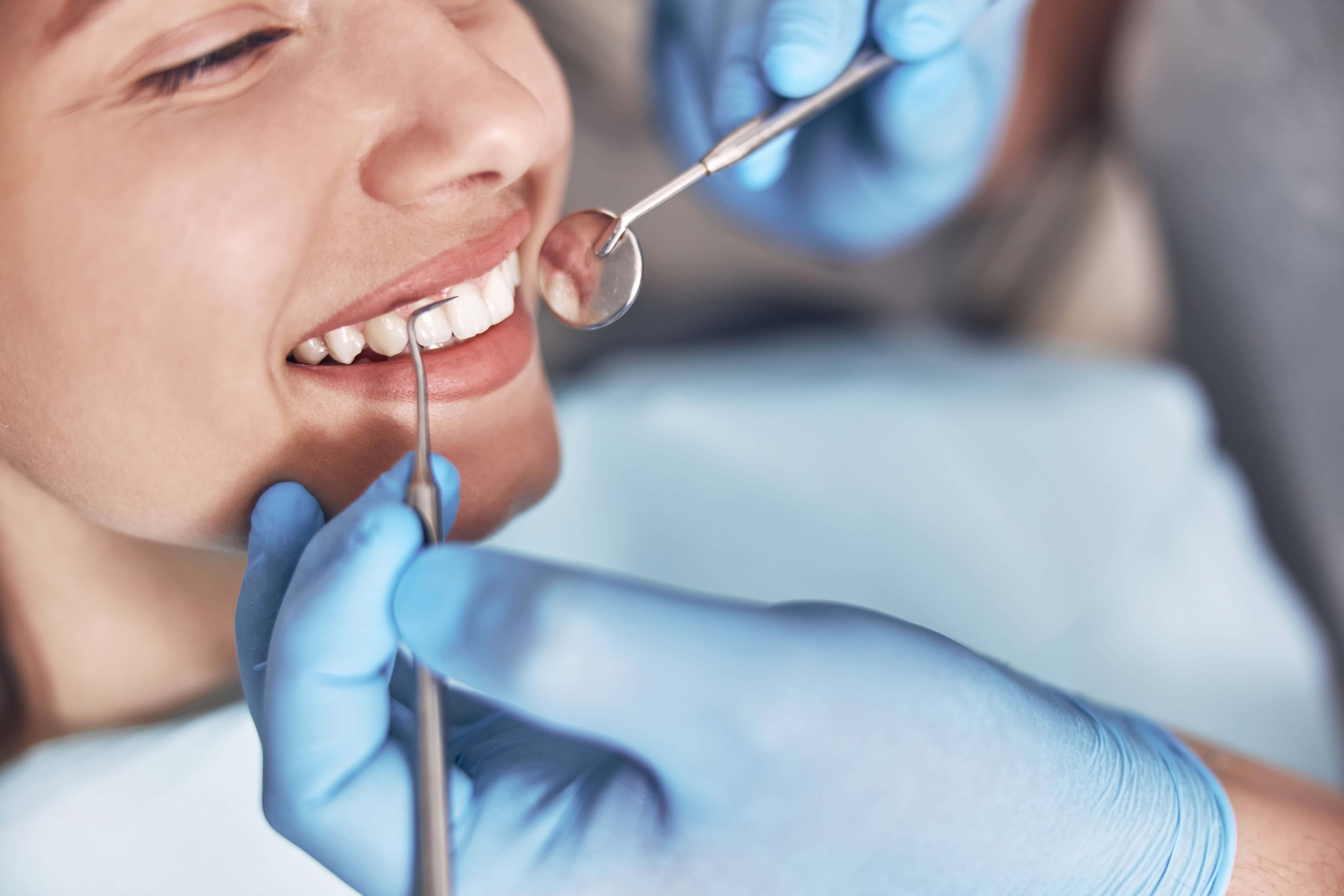
But some kids — and some situations — are different. A child who has a genuine phobia. A preschooler who needs multiple fillings and can’t stay still long enough for the dentist to work safely. A child with sensory differences whose responses to dental instruments are physical and overwhelming. For those cases, sedation isn’t a shortcut. It’s what makes safe, humane treatment possible.
This guide covers what’s actually available, how each option works, what to realistically expect, and how to figure out whether it makes sense for your child.
The three levels of sedation used in pediatric dentistry
Most parents hear “sedation” and picture general anesthesia. In reality, the majority of sedation in a dental office involves your child staying awake, aware, and able to respond — just significantly calmer.
The first two levels — nitrous oxide and oral conscious sedation — are what most general and family dental practices offer for children. General anesthesia is a hospital procedure, typically arranged with a pediatric anesthesiologist, and is reserved for cases requiring it clinically. At Serenity Dental, we offer nitrous oxide and oral sedation depending on the situation.
Nitrous oxide (“laughing gas”)
Nitrous oxide is the most common sedation option for children in dentistry, and for good reason: it works quickly, wears off completely in minutes, and has a safety record spanning decades of use across millions of pediatric dental appointments.
2–3
minutes to feel effect
Most children feel calm and tingly within a few minutes of the mask going on
5
minutes to recover
Pure oxygen flushes the gas out. Child is alert and back to normal within minutes
70%
oxygen in the mix
Standard dental nitrous is 30% N₂O and 70% O₂ — more oxygen than room air
✓
same-day activities
School, sports, playdates — all fine. No recovery day needed for nitrous only
How it actually works: A small silicone nose mask is placed over your child’s nose. They breathe normally. Within two to three minutes, most children report feeling warm, tingly, or a little floaty. The room feels softer. Sounds seem farther away. They’re still aware of everything happening — they can hear the dentist, answer questions, and follow instructions — but the anxiety response is dialled significantly down.
When the appointment ends, the dentist switches to pure oxygen for five minutes. The nitrous clears completely from the system. No grogginess, no impaired coordination, no residual effects.
Nitrous works well for
- ✓Children who are moderately anxious or tense
- ✓Kids who need a routine procedure but struggle to stay still
- ✓Children with a mild gag reflex
- ✓Patients who want to try something before stronger options
- ✓Ages 3 and up who can breathe through the nose
May not be enough for
- →Severe or extreme anxiety that nitrous can’t blunt
- →Children who won’t keep the mask on
- →Blocked nasal passages (colds, allergies, enlarged adenoids)
- →Extensive treatment requiring complete stillness
- →Some children with significant sensory or behavioural needs
A word on the name: “Laughing gas” is a nickname that sometimes makes parents nervous — it sounds recreational. It’s just a nickname. In a clinical concentration at a dental office, the effect is relaxation and mild dissociation, not euphoria or giggling. Some children do giggle a little. Most just get quiet and cooperative.
Oral conscious sedation
When nitrous oxide isn’t enough, oral sedation is the next step. A liquid medication is given by mouth — usually at the office before the procedure begins — and takes effect over 20 to 45 minutes. The child remains conscious and can respond to the dentist, but is significantly calmer, less aware of time passing, and often has reduced memory of the procedure afterward.
What an oral sedation appointment looks like
Nothing to eat or drink for the prescribed period. Written instructions given at scheduling. Following these is a safety requirement.
The sedation medication is given orally at the office. The dentist weighs the child and calculates the dose. A parent stays with the child while it takes effect.
The child becomes drowsy and calm. Vital signs are monitored. When the child is at the right level of sedation, treatment begins.
The child is relaxed but conscious — able to respond if spoken to. Nitrous oxide is often added alongside. The dentist works efficiently to complete everything in one session.
The child rests in the office until awake and stable. A parent is present throughout. Discharge instructions are given — no school or activities for the rest of the day.
The medications used for oral conscious sedation in children are typically benzodiazepines (like midazolam) or antihistamines (like hydroxyzine), sometimes in combination. Which option fits depends on the child’s age, weight, health history, and how extensive the treatment is. At our office, we review full health and medication history before any sedation appointment.
Reduced memory is a feature, not a side effect
Many parents are surprised to learn their child remembers little or nothing of an oral sedation appointment. That’s intentional. A child who doesn’t have a vivid memory of a difficult procedure is more likely to be cooperative at future visits — and less likely to carry dental anxiety into adulthood.
Nitrous vs. oral sedation: which is right for your child?
| Factor | Nitrous oxide | Oral sedation |
|---|---|---|
| Consciousness | Fully awake · relaxed | Drowsy · aware but calm |
| How given | Nose mask · inhaled | Liquid by mouth |
| Onset | 2–3 minutes | 20–45 minutes |
| Recovery | ~5 minutes | Several hours |
| Fasting needed | No | Yes — per instructions |
| School same day | Yes | No — rest at home |
| Memory of visit | Normal | Often reduced or absent |
| Best suited for | Moderate anxiety, short procedures | Significant anxiety, longer procedures |
The choice isn’t always straightforward. A child who’s a bit nervous might do fine with nitrous and a gentle approach. A child who needs three fillings and hasn’t let a dentist near their mouth in two years is a different situation. Dr. Rafia Jabeen will discuss both options at the evaluation appointment and give you a direct recommendation — not a menu of options with no guidance.
What to tell your child before a sedation appointment
What works well
- ✓Keep it simple and honest — “you’ll breathe something that helps you relax”
- ✓Focus on what happens after — “we’ll get ice cream when it’s done”
- ✓Answer questions calmly and briefly — don’t over-explain
- ✓Validate the feeling — “it’s okay to feel nervous about new things”
What tends to backfire
- ✗Saying “it won’t hurt at all” — any disappointment here amplifies fear
- ✗Detailed descriptions of what the dentist will do (their imagination fills gaps badly)
- ✗Sharing your own dental anxiety — children absorb it
- ✗Framing it as punishment — “because you don’t brush properly”
The most useful thing a parent can do is stay calm in the car on the way there. Children are highly attuned to parental anxiety — if you’re dreading it, they will be too. If you’re matter-of-fact about it, most kids follow your lead.
Building toward dental visits without sedation
Sedation is a bridge, not a permanent solution. For most children, the goal is to eventually have dental visits without needing any medication. Here’s what helps that happen over time:
Positive experiences compound
A child who has even one dental visit that goes well — no drama, maybe a sticker and a compliment — is significantly more likely to tolerate the next one. Sedation can create that first good visit when nothing else has worked.
Tell-show-do builds familiarity
At routine visits, Dr. Rafia Jabeen shows children every instrument before using it and explains what each step involves. Familiarity reduces the fear of the unknown — which is what most dental anxiety actually is.
Starting young matters
Children who start dental visits by age 1–2, before they have anything to fear, rarely develop significant dental anxiety. If you’re reading this because your child already has it, prevention isn’t available — but repair is, and it usually works.
Consistency with the same dentist
Changing dentists resets the trust-building process. A child who sees the same dentist every six months, who remembers their name and their dog’s name, is a different patient than one who sees a stranger twice a year.
Is sedation safe? What the research actually says
Two national standards frame the answer. Under the joint American Academy of Pediatrics (AAP) and AAPD sedation guideline, moderate pediatric sedation requires at least two trained people in the room — one of them dedicated solely to monitoring the child, not working in the mouth. Separately, the FDA’s 2017 safety review of anesthesia in young children applies to lengthy general anesthesia in patients under 3, not to the brief nitrous oxide or single-dose oral sedation used in a dental office visit.
Parents often come into the sedation conversation with understandable anxiety. Usually the fear is: “What if something goes wrong?” It’s worth being direct about what the evidence shows.
50+
years of nitrous oxide use in pediatric dentistry with an established safety record
AAPD
American Academy of Pediatric Dentistry endorses both nitrous and oral sedation with established clinical guidelines
Vital
Signs are monitored throughout every sedation appointment — pulse oximetry, heart rate, and oxygen saturation
Nitrous oxide is extremely safe when administered at standard dental concentrations. The main risks — nausea, headache — are mild and uncommon. Oral sedation has a slightly higher risk profile than nitrous, which is why it requires full health history review, weight-based dosing, fasting, and monitoring throughout.
The risks of not treating dental problems in children are also real: untreated cavities cause pain, infection, speech and eating difficulties, and frequently generate the kind of traumatic emergency dental experience that shapes how a person relates to the dentist for the rest of their life. Sedation, used appropriately, prevents that.
Questions worth asking at your appointment
Before any sedation appointment, you should feel comfortable asking — and getting clear answers to — the following:
Which type of sedation are you recommending for my child, and why?
What medications will be used, and how is the dose determined?
What monitoring will be in place during the procedure?
What are the specific fasting instructions for my child?
What should I watch for at home after the appointment?
What happens if my child doesn't respond to the sedation as expected?
A dentist who can’t answer these questions clearly, or who gets defensive when you ask them, is a reason to pause. Good clinical sedation practice involves full informed consent and a parent who understands exactly what’s happening and why.
If you’re in Bloomingdale and considering whether sedation might help your child get dental care they’ve been avoiding, the pediatric dentistry page explains how Dr. Rafia Jabeen approaches anxious kids and what a first visit looks like. The sedation dentistry page covers the office’s full sedation lineup for adults and children, and laughing gas at the dentist goes deeper on the option most kids actually use. You can also call us directly at (630) 359-0105 — sometimes it’s easier to talk through a situation than to schedule blind.
When to call rather than wait
After nitrous, your child should be fully back to normal before you leave the office — lingering effects at home are not expected, so call if any appear. After oral sedation, drowsiness through the afternoon is normal; a child who cannot be woken, has any trouble breathing, or vomits repeatedly needs emergency care — call 911 first, then us. Persistent vomiting past the first few hours, unusual irritability that worsens instead of easing, or anything that simply feels wrong to you as the parent warrants a same-day call to (630) 359-0105. Parents’ instincts on “something is off” are right often enough that we would always rather take the call.
Questions parents ask about sedation for kids
Is nitrous oxide safe for children?
Will my child be unconscious during sedation?
How do I know if my child needs sedation or just needs to work through the fear?
What should my child eat before a sedation appointment?
Can my child drive to school or activities after sedation?
My child has been to three dentists who couldn't complete treatment. Would sedation help?
Does dental insurance cover sedation for children?
At what age can a child receive dental sedation?
Educational content only. Recommendations are personalized after an exam and any needed imaging.
About this article
Educational content — individualized clinical decisions are made case by case. Sedation decisions are made individually based on each child’s health history, age, weight, and treatment needs. This article reflects general clinical guidance from the American Academy of Pediatric Dentistry — specific recommendations for your child may differ.
Questions about pediatric dental care in Bloomingdale? The pediatric dentistry page covers our approach to children’s dental visits. For urgent or emergency dental needs, call (630) 359-0105 or see the emergency dentist page.
Need help with this in real life?
Reading helps. Talking to someone who can look at your actual teeth and symptoms helps more. If you want a clear next step, we’re here.
Related articles
Laughing Gas at the Dentist: Cost, How It Works, and What to Expect
Nitrous oxide at the dentist: what it actually feels like, how much it costs with and without insurance, whether it helps anxiety, and who can use it.
Read article →Sleep Dentistry: Are You Actually Asleep? What It Really Means
Sleep dentistry means conscious sedation — not unconsciousness. What the term means, how it differs from general anaesthesia, cost, and who needs it.
Read article →How Often Should Kids Go to the Dentist? A Clear Answer by Age
AAPD recommends every 6 months — but some kids need every 3. What sets the schedule, the age-7 milestone, and what a routine visit covers.
Read article →