Gum Therapy
Gum graft surgery: complete guide to types, cost, recovery
Gum graft surgery for receding gums: connective tissue graft, free gingival graft, pedicle graft, AlloDerm. Cost, procedure, recovery, success rates.
Cost figures in this article are typical ranges for the Chicago area, compiled from regional fee data. They are not quotes from Serenity Dental of Bloomingdale; your fee depends on exam findings, materials, and insurance benefits, and we provide a written, itemized estimate before any treatment begins.
Gum graft surgery is the definitive treatment for gum recession with exposed tooth roots. When recession has caused sensitivity, root decay risk, cosmetic concerns, or continued tissue loss, tissue grafting is the only way to actually restore the coverage. Gum grafts have been performed for over 50 years with well-documented success rates of 80-90 percent for complete root coverage in well-selected cases per American Academy of Periodontology (AAP) research. This guide covers every type of gum graft, the procedure step-by-step, realistic pain and recovery expectations, cost and insurance, success rates, and when grafting is (and is not) the right choice.
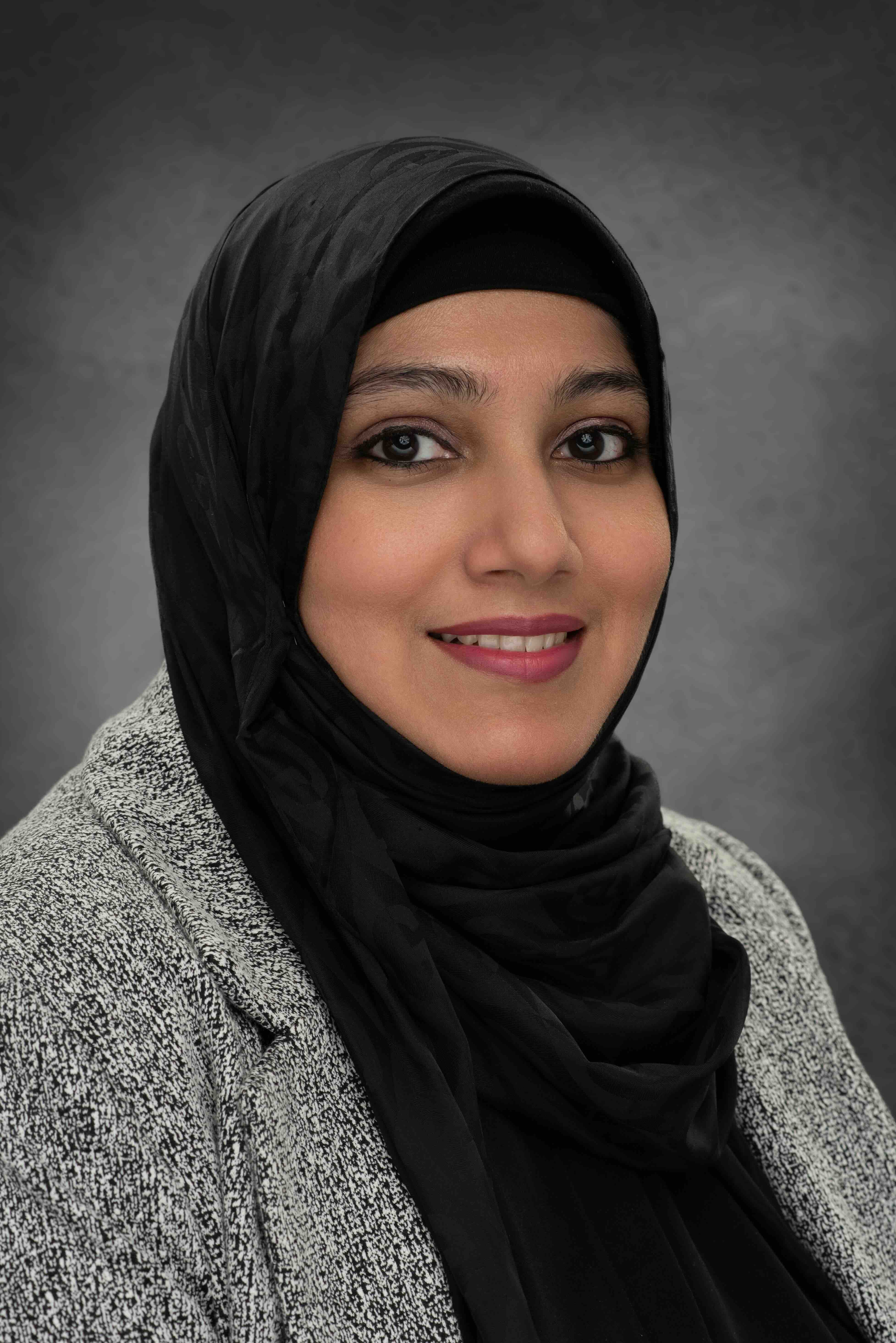
Written by Dr. Husna Khan, DDS
Serenity Dental of Bloomingdale · April 19, 2026
Considering gum graft surgery? Call (630) 359-0105 for a consultation.
For context on why grafting is the only tissue-restoration option, see receding gums treatment. For the broader picture of gum therapy, see the gum therapy service page.
A gum graft is a minor surgical procedure that places soft tissue over an exposed tooth root, either borrowed from the roof of your mouth or supplied as a processed donor material. It covers the root, rebuilds the protective gum band, and stops recession from progressing. Most single-site grafts take under an hour in the chair. When Dr. Husna Khan refers a graft case to a periodontist, the most common patient surprise we see in our Bloomingdale practice is how uneventful the recovery site feels compared with the donor site on the palate.
Why do gum grafts exist?
Receded gum tissue does not regrow on its own. No toothpaste, supplement, essential oil, or oral hygiene practice restores lost gum tissue. Once the gum has retreated from a tooth, only tissue transplantation can cover the exposed root.
What grafting accomplishes
| What | Details |
|---|---|
| Root coverage | Physically placing tissue over the exposed root surface |
| Attachment | Creating new firm gum attachment to the tooth |
| Protection | Stopping the recession from worsening |
| Sensitivity relief | Covering dentinal tubules that cause hot/cold sensitivity |
| Cosmetic restoration | Making the tooth appear proper length again |
| Root decay prevention | Covering surfaces prone to root caries |
What grafting cannot do
| What | Details |
|---|---|
| Restore lost bone | Bone grafting is a separate procedure |
| Work on teeth that are too far gone | Severely compromised teeth may need extraction |
| Deliver lifetime perfection | Recession can occasionally recur at grafted sites |
| Work well with ongoing active disease | Active periodontal disease must be controlled first |
Four types of gum grafts
Each type has specific indications, advantages, and trade-offs.
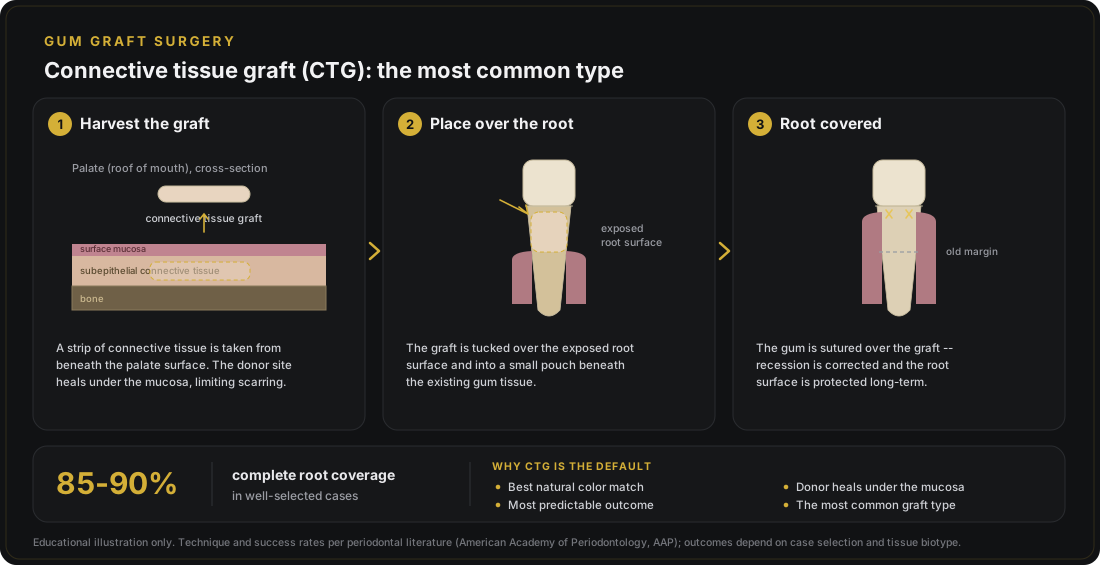
1. Connective tissue graft (CTG), most common
What it is: A strip of connective tissue taken from beneath the surface of the palate, placed under the existing gum tissue at the recession site, then the gum pulled over and sutured into position covering the graft.
Clinical use: The default choice for most recession cases when there is some existing gum tissue remaining. Best esthetics and predictability.
Advantages
- Best esthetic outcome (color-matches naturally)
- High success rate (85-90 percent complete root coverage)
- Most predictable
- Preserves some overlying tissue
- Palate donor site heals under mucosa, minimizing visible donor scar
Disadvantages
- Palate donor site creates discomfort during healing
- Slightly more technically demanding
- Limited by amount of palate tissue available
Cost: $150-$400 per tooth.
2. Free gingival graft (FGG)
What it is: A strip of keratinized gum tissue taken from the palate surface and placed directly onto the recession site, essentially a skin graft but for gum tissue.
Clinical use: When the patient has very thin or absent keratinized gum tissue and needs tissue thickness more than root coverage. Often used in lower front teeth.
Advantages
- Creates thick, robust tissue
- Particularly good for increasing keratinized tissue width
- Resistant to future recession
- Good for prevention of further loss
Disadvantages
- Less predictable color match (often slightly lighter or different texture)
- More donor site discomfort than CTG
- Less esthetic than CTG
- May not achieve full root coverage
Cost: $150-$400 per tooth.
3. Pedicle graft (laterally positioned flap)
What it is: Instead of taking tissue from the palate, gum tissue adjacent to the recession site is rotated or slid over to cover the recession. Only one surgical site.
Clinical use: When there is abundant gum tissue adjacent to the recession and the recession is localized to 1-2 teeth.
Advantages
- No palate donor site (single surgical area)
- Maintained blood supply to the graft (higher success in some situations)
- Less post-op discomfort (no donor site)
- Natural color match (same tissue)
Disadvantages
- Limited to specific anatomic situations
- Can create recession at the donor area
- Less predictable than CTG for multi-tooth cases
- Only works for isolated recession with adjacent abundant tissue
Cost: $150-$400 per tooth.
4. AlloDerm (acellular dermal matrix)
What it is: Processed donor tissue (from deceased human donors, processed to remove cells and antigens) used instead of taking tissue from the patient’s palate.
Clinical use: When palate tissue is insufficient or when patient prefers not to have a palate donor site. Also for multiple-tooth cases where harvesting enough palate tissue would be difficult.
Advantages
- No palate donor site (single surgical area)
- Can cover multiple teeth simultaneously
- Quicker recovery (one site instead of two)
- Good for patients with limited palate tissue
Disadvantages
- Slightly lower complete coverage success (75-85 percent vs 85-90 percent for CTG)
- Higher material cost
- Slightly different final texture
- Some patients have ethical concerns about donor tissue
Cost: $150-$400 per tooth.
Choosing between graft types
| Situation | Recommended type |
|---|---|
| Single tooth, thick existing tissue, esthetic zone | CTG |
| Single tooth, thin tissue, lower front | FGG |
| Multiple adjacent teeth, abundant palate tissue | CTG |
| Multiple adjacent teeth, limited palate tissue | AlloDerm |
| Isolated tooth with abundant adjacent tissue | Pedicle |
| Palate donor contraindicated | AlloDerm |
| Primarily needs thickness (not coverage) | FGG |
Dr. Husna Khan discusses which type is best for your specific situation during consultation.
Who needs a gum graft?
Grafting is indicated for specific situations, not all recession requires surgery.
Strong indications (grafting usually recommended)
- Significant root exposure (3+ mm) causing sensitivity not managed with sensitivity toothpaste
- Root decay on exposed root surfaces
- Continued recession despite proper home care technique
- Esthetic concerns in the smile zone
- Thin or absent keratinized gum tissue at risk of continued loss
- Planned orthodontic movement that would move teeth beyond bone, requiring protective tissue first
- Abfraction lesions from bruxism combined with recession
Moderate indications (consider, discuss with dentist)
- Mild recession with manageable symptoms
- Cosmetic concerns patient wants addressed
- Ongoing minor sensitivity not fully controlled
- Patient preference for definitive treatment
Weak indications (usually not grafted)
- Minimal recession (< 1 mm) without symptoms
- Stable mild recession in older adult with good oral hygiene
- Active gum disease not yet controlled (treat first, then consider graft)
- Smokers not willing to quit (significantly lower success)
- Poor home care (graft will fail without improvement)
The procedure step-by-step
Pre-operative preparation
Consultation visit
- Periodontal evaluation including probing
- Photographs of recession for documentation
- Discussion of graft type options
- Insurance pre-authorization initiated
- Written treatment plan with costs
Pre-op instructions
- Continue regular medications unless specifically instructed otherwise
- Eat a normal meal 1-2 hours before surgery
- No alcohol for 24 hours before
- Arrange transportation if sedation planned
- Have soft foods and medications ready at home
Day of surgery
Check-in (15 minutes)
- Review medical history
- Review procedure plan
- Photos taken (pre-treatment)
- Any last questions answered
Anesthesia (10 minutes)
- Topical numbing gel applied
- Local anesthesia injected at surgical site and donor site (if applicable)
- Full numbness achieved within 5-10 minutes
- Nitrous oxide or oral sedation available for anxiety
Donor site harvest (15-25 minutes) if autogenous graft:
- For CTG: small incision in palate, connective tissue harvested, palate closed with sutures (often dissolvable)
- For FGG: superficial palate tissue harvested, palate left to heal by secondary intention
Recipient site preparation (15 minutes)
- Recession area cleaned thoroughly
- Root surfaces treated (often with citric acid or EDTA to clean)
- Existing gum tissue raised to create bed for graft
Graft placement (20-30 minutes)
- Graft sutured into position
- Overlying gum tissue positioned over graft (for CTG)
- Multiple small sutures secure everything
- Careful positioning for optimal esthetics
Closing and dressing (10 minutes)
- Surgical pack may be placed over donor site
- Sometimes palate bandage applied
- Post-op instructions reviewed
- Prescriptions provided
- Follow-up appointment scheduled
Total time: 60-90 minutes for single tooth, 90-120 minutes for multiple teeth.
Immediate post-op
- Ice pack to outside of face: 20 minutes on, 20 minutes off for first 24 hours
- Take first pain medication before anesthesia wears off
- Do not disturb surgical site with tongue or fingers
- Soft foods only starting immediately
- Rest for remainder of day
In our Bloomingdale practice the question patients ask most is not about the surgery at all; it is whether they can speak normally at work the next day, and for most office jobs the answer is yes.
Recovery timeline
Day 0 (day of surgery)
- Numbness wears off over 2-4 hours
- Mild to moderate discomfort begins
- Start pain medication protocol
- Ice pack intermittently
- Eat very soft foods (yogurt, smoothies, pudding)
- Rest
Days 1-2 (peak discomfort)
- Moderate discomfort at both sites
- Palate donor site often more uncomfortable than recipient
- Pain medication every 4-6 hours as needed
- Very soft foods continue
- Minimal talking helps (stretches surgical sites)
- Ice continues first 24 hours, then warm compresses if helpful
- Avoid hot foods/drinks
Days 3-7 (improving)
- Discomfort noticeably decreasing
- Palate heals quickly (surface closes in 5-7 days for FGG, faster for CTG)
- Transition to softer foods (mashed potatoes, soft pasta, fish)
- Gentle brushing of non-surgical teeth with soft brush
- Avoid surgical site with brush or floss
- No vigorous exercise yet
- Continue salt water rinses 2-3 times daily (gently)
Week 2 (follow-up visit)
- Evaluation of graft integration
- Suture removal if non-dissolving (most are dissolving)
- Photos for comparison
- Transition to normal diet as comfort allows
- Start gentle brushing of surgical site with very soft brush
- No flossing yet at surgical site
Weeks 3-4 (tissue integration)
- Graft beginning to match surrounding tissue color
- Contour finalizing
- Normal brushing technique at surgical site
- Gentle flossing resumes
- Full normal activities resumed
Weeks 5-6 (near-complete healing)
- Final tissue color achieved
- Definitive contour visible
- Sensitivity significantly reduced or eliminated
- Photos taken for record
Week 8 (complete healing)
- Fully healed
- Final outcome assessment
- Long-term monitoring schedule established
Pain management
Realistic expectations about pain help mental preparation.
What to expect
Level of pain
- Procedure: 0 (anesthesia)
- Days 1-2: 5-6 out of 10 typically (moderate)
- Day 3: 3-4 out of 10 (manageable)
- Day 5: 1-2 out of 10 (mild)
- Day 7: usually no pain
Sites of discomfort
- Palate donor site: usually more painful than recipient
- Recipient site: mild-moderate discomfort
- Overall: worse than SRP but less than wisdom tooth extraction
Medication protocol
Alternating schedule (most effective)
- Ibuprofen 600 mg every 6 hours
- Acetaminophen 500 mg every 6 hours, offset by 3 hours from ibuprofen
- Effectively continuous anti-inflammatory coverage
Stronger medication if needed
- Tramadol or hydrocodone for severe first-day pain
- Typically 5-10 tablets total needed
- Step down to ibuprofen/acetaminophen by day 2-3
What NOT to take
- Aspirin (increases bleeding)
- Specific medications to avoid reviewed during consultation based on your medical history
Non-medication comfort
- Ice pack 20 min on/off first 24 hours
- Elevation of head when sleeping first 2-3 nights
- Warm salt water rinses (gently) after first 24 hours
- Minimal talking reduces strain
- Avoid hot foods/drinks (irritates sites)
- Soft foods avoid trauma
- Adequate hydration supports healing
Diet during recovery
Days 1-2: Pure soft
- Yogurt, smoothies, milkshakes (no straw)
- Pudding, applesauce, mashed banana
- Cream soups (not too hot)
- Scrambled eggs
- Mashed potatoes
Days 3-5: Soft expanding
- Oatmeal, cream of wheat
- Soft pasta dishes
- Well-cooked fish
- Soft breads (no crusty)
- Cooked soft vegetables
- Smoothies continue
Days 6-14: Gradual normal
- Gradually adding firmer textures
- Still avoid: hard crunchy foods (chips, nuts, hard crusts), spicy foods, acidic foods, foods that require tearing
- Chew on non-surgical side when possible
Week 2+: Normal diet
- Full normal diet as comfort allows
- Continue gentleness at healing sites
Foods to avoid throughout first 2 weeks
- Chips, nuts, popcorn, pretzels (hard crunchy)
- Seeds that can lodge in surgical site
- Spicy foods (irritates)
- Acidic foods (irritates and delays healing)
- Hot liquids (disturbs clot)
- Carbonated drinks initially
- Straws (suction can disturb clot)
- Alcohol (delays healing, interacts with pain medication)
Risks and complications
Honest discussion of what can go wrong.
Common minor complications
- Swelling at face (external cheek): normal, peaks day 2-3, resolves week 1
- Bruising at surgical site or face: occasional, resolves 1-2 weeks
- Temporary sensitivity at surgical site: usually improves after healing
- Temporary color mismatch of graft: normalizes over 6-8 weeks
Less common complications
- Infection (1-2 percent of cases): prevented with good hygiene, treated with antibiotics if occurs
- Graft partial necrosis (3-5 percent): partial graft failure, may require re-treatment
- Delayed healing (5 percent): usually in smokers or diabetics
- Bleeding beyond normal: usually manageable, rarely requires return visit
Rare serious complications
- Complete graft failure (3-5 percent): may require repeat procedure
- Significant scar formation: more common with FGG
- Palate donor site complications: temporary altered sensation rarely
Minimizing risk
- Do not smoke, doubles failure rate
- Good oral hygiene before and after
- Follow post-op instructions strictly
- Keep follow-up appointments
- Report problems early, small issues caught early are simpler to address
Cost and insurance
Cost ranges
| Graft type | Cost per tooth | Typical multi-tooth discount |
|---|---|---|
| Connective tissue graft | $600-$1,200 per tooth | 15-20% discount for 3+ teeth |
| Free gingival graft | $600-$1,200 per tooth | 15-20% discount for 3+ teeth |
| Pedicle graft | $700-$1,300 per tooth | Not typically multi-tooth |
| AlloDerm | $800-$1,500 per tooth | Material costs multiplied |
Insurance coverage
Most PPO plans cover gum grafts at 50 percent as major service when:
- Root exposure is documented with photos
- Sensitivity or decay risk is noted in clinical records
- Proper periodontal charting shows need
- Pre-authorization submitted with documentation
Common insurance limitations
- Yearly maximum benefit (often $1,000-$2,000 per year)
- Waiting periods for major services
- Pre-existing conditions (less common now)
- Frequency limits (once per tooth typically)
If insurance denies
- Review denial reason specifically
- Appeal with additional documentation
- Peer-to-peer review if appropriate
- Consider breaking treatment across plan years if possible
Payment options
- CareCredit financing (0 percent APR often available for 12 months)
- In-house payment plans at most practices
- Health savings account (HSA) funds acceptable
- Flexible spending account (FSA) funds acceptable
Smoking and gum grafts
Smoking deserves its own section because of its dramatic impact on outcomes.
Why smoking affects grafts
- Reduces blood flow to gum tissue
- Impairs immune response
- Slows healing processes
- Introduces chemicals that damage cells
Research findings
Multiple clinical studies consistently show:
- 2-3x higher graft failure rates in smokers
- Less root coverage achieved in successful smoker grafts
- Slower healing times
- Higher complication rates
Recommendations
- Complete cessation 2 weeks before and 2 weeks after (minimum)
- Long-term cessation strongly encouraged
- Nicotine replacement therapy is acceptable (patch, gum)
- Vaping is NOT equivalent to quitting and still impairs healing
Some practices decline to perform grafts on active smokers due to poor predictability. Serenity Dental discusses realistic expectations with smoking patients.
Alternatives to gum grafts
Monitor and manage
For mild asymptomatic recession:
- Soft brushing technique
- Sensitivity toothpaste
- 6-month monitoring
- Address only if progressive
Composite bonding
Composite resin covers exposed root surfaces:
- Faster, cheaper ($300-$600/tooth)
- No surgery
- Temporary (7-10 year lifespan)
- Good for cosmetic coverage only
- Does not address underlying recession cause
Pinhole surgical technique (PST)
Modern minimally-invasive alternative:
- No tissue harvesting
- Small hole made above recession
- Existing tissue repositioned through hole with small collagen strips
- Faster recovery than traditional grafts
- Similar success rates in early research
- Not all practices perform
Orthodontic repositioning
In specific cases:
- Teeth repositioned into bone
- Some tissue rebound possible
- Typically combined with graft later
Long-term outcomes
Success definitions
| What | Details |
|---|---|
| Complete coverage | Root entirely covered, gumline at cemento-enamel junction |
| Partial coverage | Graft successful but some root still exposed |
| Failure | Graft did not take, recession remains |
Long-term studies
Research tracking grafts at 10-25 years post-procedure shows:
- 85 percent of successful grafts remain stable at 15 years
- Some minor recession (1-2 mm) can occur over 20+ years
- Repeat grafting may be needed in 5-10 percent at 20 years
- Long-term stability correlates with home care quality and maintenance compliance
Maintenance requirements
Grafted sites need ongoing care:
- Excellent home care
- Gentle brushing technique
- Professional cleanings every 3-6 months
- Periodontal monitoring of grafted sites
- Address any gum disease promptly
When should you consider a specialist referral?
Dr. Husna Khan treats many gum graft cases but refers complex situations to periodontists.
Referred to periodontist
- Multiple adjacent teeth requiring complex grafting
- Previous failed grafts
- Severe recession with bone defects requiring combined procedures
- Complex medical history complicating surgery
- Patient preference for specialist care
Treated at Serenity Dental
- Single-tooth grafts
- Simple multi-tooth grafts
- Straightforward CTG or AlloDerm cases
- Patients with good general health
- Patients comfortable with experienced general dentist care
Serenity Dental’s approach
Dr. Husna Khan’s gum graft protocol:
- Thorough consultation discussing all graft type options
- Realistic expectations about outcomes, pain, and recovery
- Photographic documentation for insurance and outcome tracking
- Written treatment plan with costs transparent before proceeding
- Appropriate case selection, not all recession benefits from grafting
- Smoking cessation counseling for tobacco users
- Specialist referral for complex cases
- Structured follow-up at 2 weeks, 6 weeks, 6 months, then annually
Schedule a gum graft consultation at Serenity Dental by calling (630) 359-0105. Getting the right information and choosing the right graft type for your specific situation leads to excellent long-term outcomes. Related: gum therapy service page · receding gums treatment.
We see the same arc after most graft referrals: a nervous week before, a surprisingly boring week after.
When to call rather than wait after a graft
Normal recovery is quiet: soreness that fades, a donor site that feels scraped, tissue that looks pale then pink. Call the office rather than wait, at (630) 359-0105, for bleeding that soaks gauze beyond a few hours, swelling that spreads toward the eye or neck, fever, or a graft that visibly lifts. Those four are not normal. Everything else usually is.
This article is general education and not individualized medical advice. Treatment recommendations come from an exam, not an article.
FAQs
What is gum graft surgery?
How much does a gum graft cost?
Is gum graft surgery painful?
How long does gum graft recovery take?
What are the success rates for gum grafts?
Can gum graft surgery fail?
Do I need a gum graft or can I avoid surgery?
What should I expect after gum graft surgery?
Educational content only. Recommendations are personalized after an exam and any needed imaging.
About this article
Reviewed by Dr. Husna Khan, DDS, of Serenity Dental of Bloomingdale. Dr. Husna Khan performs gum graft surgery using evidence-based techniques, connective tissue grafts for most cases, free gingival grafts or AlloDerm when specifically indicated, with careful patient selection, realistic expectations, and structured follow-up to achieve optimal outcomes.
Educational content. Individual gum graft evaluation requires clinical examination, photography, and discussion of specific treatment options. Cited sources: American Academy of Periodontology (AAP) clinical practice guidelines for mucogingival surgery, Centers for Disease Control and Prevention (CDC) oral health surveillance data, American Dental Association (ADA) evidence-based clinical recommendations for surgical periodontal therapy, Cochrane Collaboration systematic reviews on root coverage procedures.
Related: gum therapy service page · receding gums treatment.
Pricing note. Prices shown are approximate Chicago-area 2026 ranges compiled from public cost guides, not a quote or a Serenity Dental fee schedule. Your actual cost depends on your clinical needs, the materials chosen, and your insurance. We provide a written estimate before any treatment begins. Call (630) 359-0105 to confirm pricing for your situation.
Need help with this in real life?
Reading helps. Talking to someone who can look at your actual teeth and symptoms helps more. If you want a clear next step, we’re here.
Related articles
Gum graft recovery: day-by-day timeline and what to expect
Gum graft recovery from day 1 to month 6. Pain timeline, eating restrictions, healing milestones, when to worry, and the typical 4-week return to normal.
Read article →Gingivitis vs periodontitis: differences, treatment, reversibility
Gingivitis vs periodontitis explained: what each looks like, how they differ, which is reversible, how treatment differs, and the transition point.
Read article →Receding Gums Treatment: What Actually Works for Gum Recession
Gum recession treatment starts with removing the cause, then restoring tissue where needed. A Bloomingdale, IL dentist on what works, what fails, and honest costs.
Read article →