Dental Implants
All-on-4 Dental Implants Cost: With and Without Insurance
What All-on-4 costs per arch and for both arches, what a complete quote has to include, what dental insurance pays toward it, and how patients finance the rest.
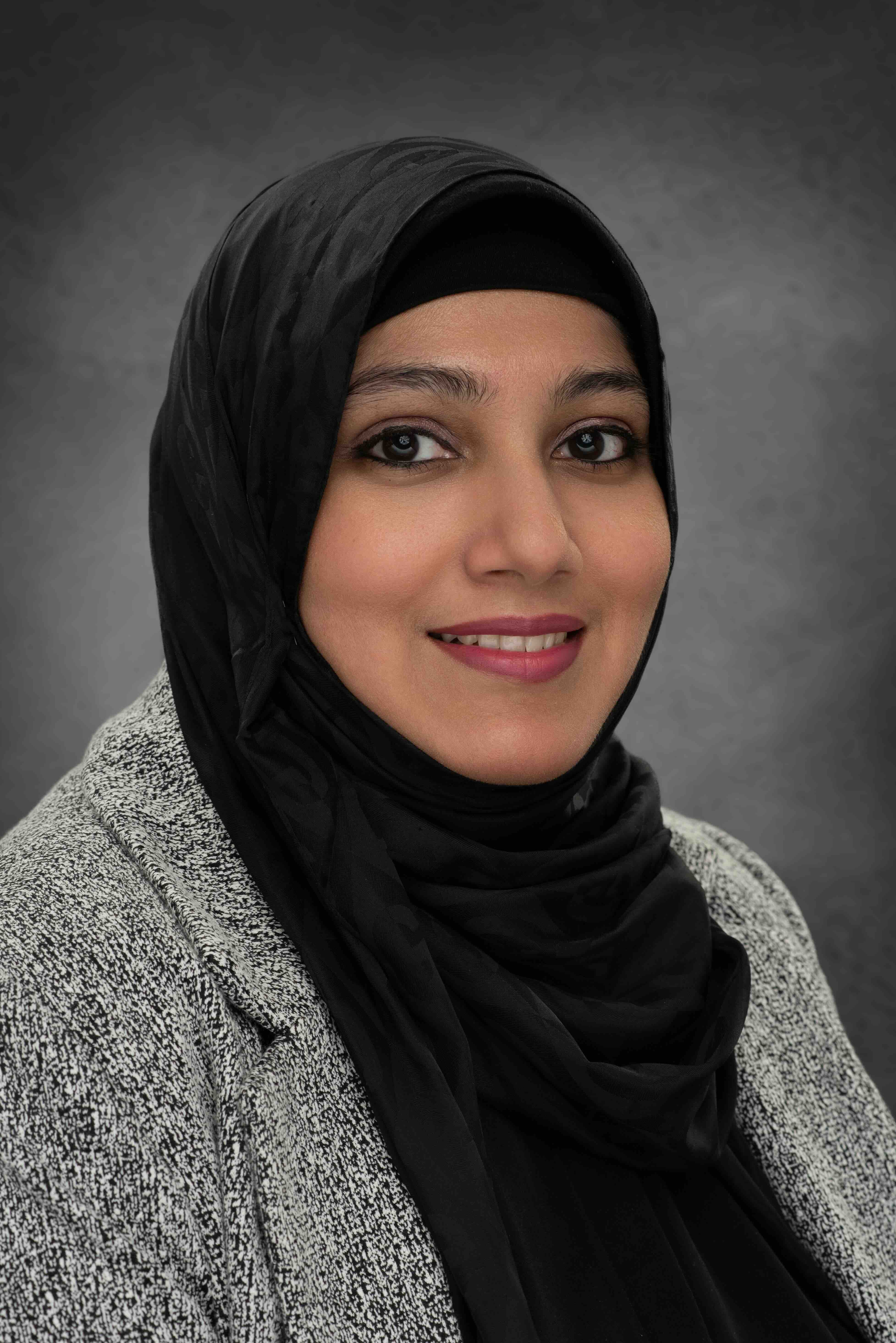
Written by Dr. Husna Khan, DDS
Serenity Dental of Bloomingdale · November 3, 2026
Educational purposes only. Costs vary by case. Call (630) 359-0105 for a CBCT-planned consultation with a written, itemized estimate.
All-on-4 dental implants cost $15,000 to $30,000 per arch in the Chicago area, and $30,000 to $55,000 for both arches together. That is the price of a complete case: the scan, the surgery, four implants, the same-day temporary bridge and the final bridge. Regional spreads for implant procedures are wide in the American Dental Association’s Survey of Dental Fees, and the western suburbs sit around the middle of the Chicago market. Inside the range, a short list of decisions explains the spread, and this guide walks through each of them.
It also covers the part most patients find out too late: what a dental plan pays toward a full arch, which is usually a small number, and how financing, FSA and HSA money and the timing of extractions change what the first year actually costs.
What a complete All-on-4 estimate includes
Every number below is a Chicago-area reference range. Your own estimate, built from a real scan, will be narrower.
| Component | What it covers | Reference range |
|---|---|---|
| CBCT scan and planning | 3D imaging, implant positions, surgical guide | $300 to $800 |
| Extractions | Any failing teeth that must come out first | $75 to $300 simple, $225 to $600 surgical, per tooth |
| Four implants per arch | Implant placement, $1,800 to $2,800 each | $7,200 to $11,200 |
| Multi-unit abutments | The connectors between implants and bridge | $300 to $600 per implant |
| Sedation | Nitrous oxide or oral sedation in the office | $50 to $125 nitrous, $200 to $400 oral |
| Same-day temporary bridge | Fixed acrylic teeth worn during healing | Usually included in the package |
| Final bridge | Zirconia or acrylic-on-titanium hybrid | $5,000 to $15,000 per arch |
| Follow-up visits | Checks during the integration months | Usually included for the first year |
| Night guard, if advised | Protects the bridge from grinding | $300 to $800 |
| Package total per arch | Everything above, standard case | $15,000 to $30,000 |
| Package total, both arches | Upper and lower planned as one case | $30,000 to $55,000 |
Three items decide whether a quote is complete. First, imaging. The American Academy of Oral and Maxillofacial Radiology recommends cross-sectional imaging for every implant site and names CBCT the method of choice, so a quote built on a flat panoramic X-ray alone is a quote built before anyone knows how much bone is there. Second, the final bridge. Some offices quote the surgery and the temporary and leave the final zirconia or hybrid bridge, at $5,000 to $15,000 per arch, for a later conversation. Third, the follow-up period. Integration takes three to six months, and a quote that covers no visits during that time has moved a real cost off the page.
Bone grafting is the item that most often appears after the fact. The angled rear implants of the All-on-4 design let many patients skip it, but a socket or ridge graft runs $300 to $1,200 per site when the scan shows it is needed, and an upper jaw with sinuses that have dropped into the ridge may need a sinus lift at $1,500 to $2,500 for the crestal approach or $2,500 to $5,000 and up for the lateral one. Those are separate fees on our bone grafting in Bloomingdale and sinus lift in Bloomingdale, IL pages, and they belong on the estimate the day the scan is read, not on a bill after surgery.
For the wider comparison across every full-mouth option, from snap-in overdentures to an implant for every tooth, see full mouth dental implants cost.
What moves the price inside the range
The final bridge material. A monolithic zirconia bridge costs $5,000 to $15,000 per arch in lab work and material. An acrylic-on-titanium hybrid costs less, and it is the material behind many of the lower quotes. Research explains the trade. A 2018 Journal of Prosthetic Dentistry study followed 191 zirconia full-arch bridges in 128 patients and recorded 99.4 percent prosthesis survival over four years with no chipping of the veneered gum porcelain. The 2017 systematic review of the All-on-4 concept in the Journal of Clinical and Experimental Dentistry, covering 24 studies and 1,963 patients, reported a fracture of the definitive prosthesis in 23.2 percent of patients, most of them acrylic. Zirconia costs more on day one and tends to come back to the office less often.
The implant system. Implants from the established manufacturers cost more per fixture than economy brands, and the difference is mostly about parts. When a bridge screw or abutment needs replacing in year twelve, the part is easy to source for a system that is still sold and documented. For one that is not, it can be a project.
Surgical add-ons. Extractions, grafting and a sinus lift each add their own line, as the table shows. Someone with a few remaining teeth in good bone can land near the bottom of the range; someone with a full arch of failing teeth and a thin upper ridge lands near the top.
Sedation. Nitrous oxide and oral sedation are the in-office options at $50 to $125 and $200 to $400 per visit. IV sedation is arranged through a referral surgeon and carries that surgeon’s fee.
Location and experience. Fees in the Chicago metro run above the national middle, and providers with documented full-arch volume charge more than offices that place the occasional implant. The ADA fee survey reports the geography; the volume question is one to ask directly, and offices that have placed dozens of arches answer it without hesitation.
What insurance actually pays
Most patients find the honest answer disappointing, and knowing it in advance is better than learning it from an explanation of benefits.
Dental plans were designed around fillings, cleanings and crowns, and their annual maximums, typically $1,000 to $2,500, have not kept pace with a treatment priced like a car. Implants and implant bridges are usually classed as major services and paid at 50 percent, but the maximum caps the payment, so a $25,000 arch draws the same $1,500 or $2,000 as a $15,000 arch. Extractions are the most reliably covered line, often at 50 to 80 percent. Many plans also carry a missing-tooth clause that excludes replacement of teeth lost before the policy started, which rules out most full-arch cases outright.
Two moves still help. A pre-treatment estimate, submitted by the office and answered by the carrier in writing, tells you the exact benefit before you commit; it usually comes back in two to three weeks. And when extractions can happen in December and implants in January, two annual maximums apply instead of one. We help patients with that timing when the clinical picture allows it.
Medical insurance rarely applies. It occasionally covers extractions or surgical steps tied to a medical condition such as jaw trauma, cancer reconstruction or a congenital defect, and the inquiry is worth a phone call, but routine tooth loss does not qualify. Medicare does not cover dentures or implants in most cases, per Medicare.gov, and Medicare Advantage dental riders carry maximums of their own.
HSA and FSA money is the quieter lever. Implant treatment to replace lost teeth is a qualified dental expense under IRS Publication 502, and the 2026 health FSA limit is $3,400. A case split across two plan years can put close to $7,000 through pretax dollars, and HSA balances roll over, so a family that has saved for a year or two can pay a meaningful share before tax.
Financing that works
Most All-on-4 patients finance part of the fee. We work with three lenders, and each runs a pre-qualification in minutes that does not commit you to treatment.
Cherry runs monthly plans with a soft credit check at application and approves a wide range of credit profiles. CareCredit offers promotional 0 percent periods on shorter terms, with standard interest if the balance is not cleared in time. Sunbit approves most applicants and spreads payments over set terms. Terms across the three typically run 12 to 60 months. A $25,000 single-arch case over 60 months at a promotional 0 percent rate is roughly $415 a month; over 36 months it is about $695. One lender often approves a patient another declined, so a second application is worth the ten minutes. Details are on our financing options page.
Combining the levers is what makes the first year manageable: the dental plan pays its maximum toward the extractions, the FSA covers a few thousand pretax, and the balance is financed. Patients who could never write a single check for the case can usually carry the monthly figure.
How to compare quotes
Three habits separate patients who choose well from patients who chase the lowest number and regret it.
Compare line by line, never total to total. A quote 30 to 50 percent under the market usually excludes the final bridge, the follow-up period or grafting, or it uses an economy implant system with thin long-term parts support. Ask every office the same three questions: what the price becomes if an implant fails to integrate, what grafting costs if the scan calls for it, and how many months of visits are covered.
Ask about volume and training. Full-arch work rewards experience. Oral surgeons, prosthodontists and general dentists with documented full-arch case counts each do this work well; the number to ask for is how many arches the provider has restored and how the complications were handled.
Be careful with treatment abroad. The quoted fee in Mexico, Turkey or Eastern Europe is often far lower, and the American Dental Association’s travel guidance explains the catch: infection-control standards differ by country, surgical procedures need months of healing and follow-up, and saving money overseas can lead to greater expense once you are home. Any US dentist asked to repair an unfamiliar bridge on unknown implant parts starts by identifying the system, and that work is billed before any repair begins.
The 20-year math against dentures
Patients often ask whether All-on-4 pays for itself against a conventional denture. In pure dollars it usually does not, and the gap is smaller than the sticker price suggests.
A conventional denture costs $1,500 to $4,000 per arch and is remade every five to ten years as the ridge shrinks beneath it, with relines at $300 to $700 in between and adhesive on top. Twenty years of that lands around $5,000 to $20,000 per arch. All-on-4 at $15,000 to $30,000 per arch, plus one bridge replacement at $5,000 to $15,000 somewhere in the second decade, lands around $20,000 to $45,000 per arch, or $40,000 to $85,000 for a full mouth. The premium buys teeth that do not come out, a normal diet, and bone that is loaded by implants instead of resorbing under a plate. Removable dentures in Bloomingdale, IL, including the snap-in overdenture at $6,000 to $15,000 per arch, remain the right answer for many patients, and the comparison is worth running with real numbers rather than assumptions.
That replacement estimate is realistic rather than pessimistic. In a Journal of Prosthetic Dentistry cohort of 55 metal-ceramic full-arch bridges, prosthesis survival was 100 percent at five years and 92.9 percent at ten, yet nearly every bridge had needed some repair or biologic treatment by ten years, with peri-implantitis and porcelain fracture the most common. Budget for maintenance visits the way you would for a car.
When to call rather than wait
If you already have an All-on-4 bridge and notice a loose feeling, a bite that has changed, bleeding gums around the implants, food trapping that hygiene does not fix, or new pain or swelling, call our office at (630) 359-0105 rather than waiting for a scheduled check. A loose screw caught early is an adjustment; the same screw left alone can crack a bridge. Patients who are still deciding should also call rather than wait when teeth are infected, loose or breaking in quick succession, because an arch that is failing fast narrows the options and raises the cost.
How we price a case at our Bloomingdale practice
In our Bloomingdale office the plan starts on an in-office CBCT scan, and the written, itemized estimate is built from that scan before anything is scheduled: the implants, the abutments, the temporary and final bridges, any extractions or grafting the scan shows, and the sedation choice. At our Bloomingdale practice the estimate is the same document the patient takes home, so the price discussed at the consultation is the price on the treatment plan. Cases that call for IV sedation or a lateral sinus lift are referred, and what the referral involves, including its separate fee, is explained at the same visit. We see the biggest relief on patients’ faces when the insurance pre-estimate and the financing pre-qualification are both back and the monthly number is real. Call (630) 359-0105 to schedule a consultation for All-on-4 dental implants in Bloomingdale, IL, or read about single and multiple dental implants in Bloomingdale if a full arch is more than you need.
Clinical context and evidence
Cost conversations rest on the treatment being durable, and the long-term data supports that. Malo and colleagues followed 245 All-on-4 lower-jaw patients with 980 implants for up to ten years in the Journal of the American Dental Association and reported implant-related survival of 98.1 percent at five years and 94.8 percent at ten, with 99.2 percent of bridges still in service. Their upper-jaw series of 1,072 patients and 4,288 implants in Clinical Implant Dentistry and Related Research showed 94.7 percent implant survival and 99.2 percent prosthetic success over five to thirteen years, with mechanical problems common in the temporary bridges (58.8 percent) and uncommon in the final ones (7.3 percent). An independent Italian cohort of 96 patients reported 97.9 percent implant survival at up to ten years in Medicina, and the broader implant literature, pooled by Howe and colleagues in the Journal of Dentistry, puts ten-year implant survival at 96.4 percent. The Clinical Oral Implants Research meta-analysis of 93 studies found no significant difference in implant or restoration survival between four implants and designs using more. One cautionary note comes from the 2017 systematic review: its authors judged the All-on-4 evidence limited by short follow-up and uneven study quality, which is one more reason to choose a provider who will still be there to maintain the bridge.
A note on these numbers
Treat the figures in this guide as budgeting information. They come from regional fee data and the American Dental Association Survey of Dental Fees, checked against the ranges on our All-on-4 and dentures service pages, and they are general information, not a substitute for an exam, a CBCT scan and a written estimate. How many teeth must come out, how much bone remains, which implant system is used, which bridge material is chosen and what your plan pays all move the final number.
Cost figures in this article are Chicago-area reference ranges compiled from regional fee data, not quotes from Serenity Dental of Bloomingdale. Every dental insurance carrier negotiates its own fee schedule, and Medicaid and Medicare Advantage plans set separate schedules of their own, so the amount a plan allows can sit above or below these ranges. Your actual fee depends on exam findings, materials, and benefits, and we provide a written, itemized estimate before any treatment begins.
Related implant guides: All-on-4 implants in Bloomingdale · full mouth dental implants cost · implant-supported dentures guide · All-on-4 with bone loss · single dental implant cost · permanent dentures explained
All-on-4 cost: questions answered
How much do All-on-4 dental implants cost per arch?
How much does All-on-4 cost for both arches?
What should an All-on-4 quote include?
Does dental insurance cover All-on-4?
What are the monthly payments on All-on-4 financing?
Is All-on-6 more expensive than All-on-4?
Is All-on-4 cheaper than dentures over 20 years?
Why does the final bridge material change the price so much?
Is it cheaper to get All-on-4 abroad?
Educational content only. Recommendations are personalized after an exam and any needed imaging.
About this article
Reviewed by Dr. Husna Khan, DDS, who plans full-arch cases on CBCT imaging at Serenity Dental of Bloomingdale. Educational purposes only. Cost ranges reflect regional fee data and the ADA Survey of Dental Fees; a specific quote comes from a scan and an exam. Insurance coverage differs by plan, and a pre-treatment estimate is the only way to know the exact benefit.
Related: dental implants in Bloomingdale, IL · implant healing stages · dentures cost and insurance.
Sources
- Malo P, de Araujo Nobre M, Lopes A, Moss SM, Molina GJ. A longitudinal study of the survival of All-on-4 implants in the mandible with up to 10 years of follow-up. J Am Dent Assoc 2011;142(3):310-320. 245 patients and 980 immediate-function implants; implant-related survival 98.1 percent at five years and 94.8 percent with up to ten years of follow-up; prosthesis survival 99.2 percent
- Malo P, de Araujo Nobre M, Lopes A, et al. The All-on-4 concept for full-arch rehabilitation of the edentulous maxillae: a longitudinal study with 5-13 years of follow-up. Clin Implant Dent Relat Res 2019;21(4):538-549. 1,072 patients and 4,288 upper-jaw implants; cumulative implant survival 94.7 percent and prosthetic success 99.2 percent; mechanical complications in 58.8 percent of provisional bridges but 7.3 percent of definitive bridges
- Soto-Penaloza D, Zaragozi-Alonso R, Penarrocha-Diago M, Penarrocha-Diago M. The all-on-four treatment concept: systematic review. J Clin Exp Dent 2017;9(3):e474-e488. 24 studies, 1,963 patients, 11,743 implants; implant survival 99.8 percent at 24 months; 23.2 percent of patients had a fracture of the definitive prosthesis, most often acrylic; the authors call the evidence limited
- Polido WD, Aghaloo T, Emmett TW, Taylor TD, Morton D. Number of implants placed for complete-arch fixed prostheses: a systematic review and meta-analysis. Clin Oral Implants Res 2018;29(Suppl 16):154-183. 93 studies; four-implant full-arch restorations showed 98 percent implant survival and 99 percent restoration survival, with no significant difference against designs using more implants
- Tischler M, Patch C, et al. Rehabilitation of edentulous jaws with zirconia complete-arch fixed implant-supported prostheses: an up to 4-year retrospective clinical study. J Prosthet Dent 2018. 128 patients and 191 monolithic zirconia full-arch bridges; implant survival 97.6 percent and prosthesis survival 99.4 percent over four years; no chipping of the veneered gingival porcelain
- Papaspyridakos P, Bordin TB, Natto ZS, et al. Complications and survival rates of 55 metal-ceramic implant-supported fixed complete-arch prostheses: a cohort study with mean 5-year follow-up. J Prosthet Dent 2019 (summarized in Evidence-Based Dentistry 2019;20:97-98). Prosthesis survival 100 percent at five years and 92.9 percent at ten; nearly every bridge had a biologic or technical complication by ten years, peri-implantitis and porcelain fracture the most common
- Howe MS, Keys W, Richards D. Long-term (10-year) dental implant survival: a systematic review and sensitivity meta-analysis. J Dent 2019;84:9-21. Pooled 10-year implant survival of 96.4 percent
- Grandi T, Signorini L. Rehabilitation of the completely edentulous mandible by All-on-Four treatment concept: a retrospective cohort study with up to 10 years follow-up. Medicina 2021;58(1):10. 96 All-on-4 patients followed up to 10 years; implant survival 97.9 percent
- Tyndall DA, Price JB, Tetradis S, et al. Position statement of the American Academy of Oral and Maxillofacial Radiology on selection criteria for the use of radiology in dental implantology with emphasis on cone beam computed tomography. Oral Surg Oral Med Oral Pathol Oral Radiol 2012;113(6):817-826. Recommends cross-sectional imaging for the assessment of all dental implant sites, with CBCT as the imaging method of choice
- American Dental Association, 2022 Survey of Dental Fees (Health Policy Institute). Self-reported fees for more than 200 procedures from a national sample of dentists, reported nationally and by region
- American Dental Association, MouthHealthy: Dental care while traveling. Infection-control standards differ by country, surgical procedures need months of healing and follow-up care, and saving money overseas may lead to greater expense at home
- Medicare.gov, Dental services. In most cases Medicare does not cover dental services, including dentures and implants
- IRS Publication 502, Medical and Dental Expenses. Amounts paid for the prevention and alleviation of dental disease are includible medical expenses
- KPMG summary of IRS Revenue Procedure 2025-32 (2026 inflation adjustments). The 2026 health FSA contribution limit is $3,400, with a $680 carryover where the plan allows it
Need help with this in real life?
Reading helps. Talking to someone who can look at your actual teeth and symptoms helps more. If you want a clear next step, we’re here.
Related articles
Same-Day Tooth Extraction and Implant: Is It Right for You?
Same-day tooth extraction and implant placement explained: who qualifies, what the visit involves, what the research shows, and when waiting is the better call.
Read article →Types of Dental Implants: Endosteal, Mini and Zygomatic
Endosteal, subperiosteal, mini and zygomatic dental implants compared, plus titanium versus zirconia and how implant brand, length and diameter are chosen.
Read article →Full Mouth Dental Implants Cost: Realistic Pricing for Every Treatment Option
Full mouth dental implants cost depends on the approach: snap-in overdentures, All-on-4, All-on-6, or an implant for every tooth. Realistic Chicago-area ranges, what a quote should include, and financing.
Read article →